Project News / Data Center
Hinojosa's data center moratorium pledge puts about 13GW at risk

An analyst estimate puts about 13GW of announced projects at risk as the governor-elect seeks a pause until lawmakers pass new protections.
Governor-elect Gina Hinojosa's pledge to halt data center approvals until the Legislature passes new protections has added a policy risk to Texas construction schedules. About 13GW of announced projects could face immediate exposure, according to a Jefferies Equity Research estimate reported by Bisnow on Nov. 4.
That figure describes capacity considered at risk. It is not a list of cancelled projects, a confirmed reduction in electricity demand or a dollar value of lost construction contracts. The scope of a new moratorium, including its treatment of projects with existing permits and power agreements, remains unresolved.
Hinojosa defeated Gov. Greg Abbott in the Nov. 3 election and is due to take office Jan. 19. The Legislature convenes Jan. 12. Her campaign called for a pause lasting until lawmakers establish protections for communities hosting data centers, rather than one tied solely to the completion of an agency audit.
The proposal and the existing pauses
Texas already has restrictions affecting new data center approvals. Abbott's grid-connection and environmental-permitting pauses were introduced while agencies examine the industry's electricity and water requirements. ERCOT's audit reports are due Dec. 10. A further pause under the incoming administration could extend uncertainty into the legislative session, but its operating rules have not been published.
Hinojosa's campaign platform calls for communities to have a greater role in deciding whether and how facilities enter their area. It also seeks an end to major tax incentives and new protections for household costs. Those are policy proposals: an election result does not itself repeal an exemption, withdraw a permit or direct a contractor to leave a site.
For developers, the immediate distinction is between a project still waiting for permission to proceed and a facility already holding the approvals needed for its present phase. Expansion phases may have different dependencies from the initial building. A single campus can therefore contain both committed work and future packages whose timing remains uncertain.
Texas projects are at different stages
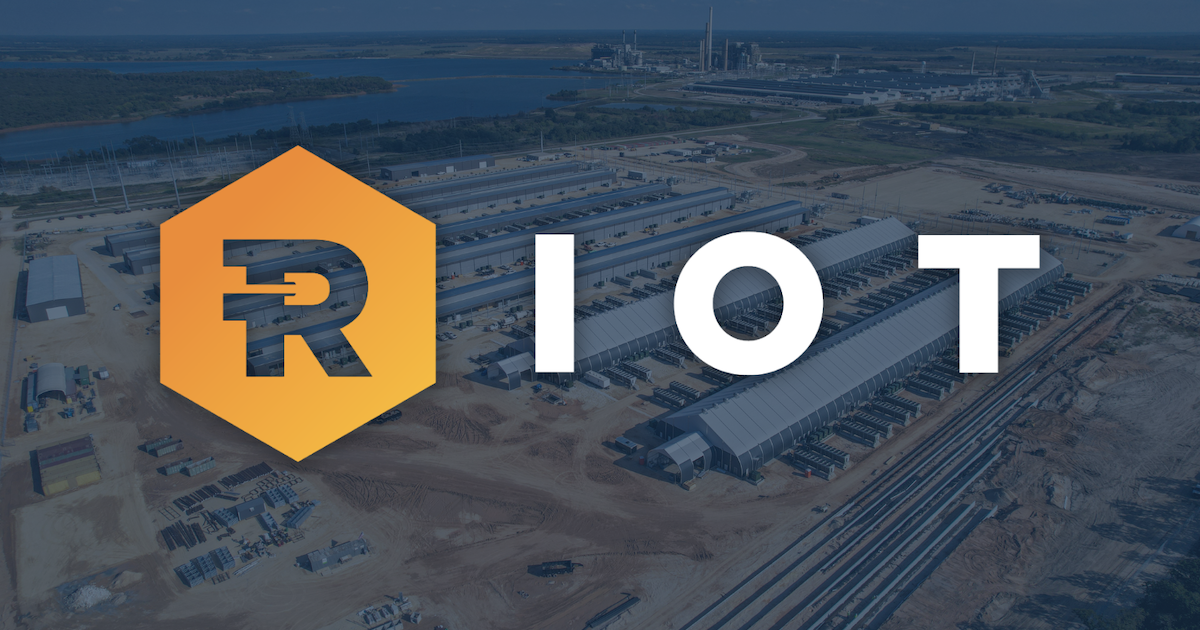
Current company disclosures show why the state's pipeline cannot be treated as one construction program. Riot Platforms' latest SEC filing says its Corsicana subsidiary signed a powered-land lease with Anthropic on Oct. 28, effective Nov. 4. The campus already has developed infrastructure from its bitcoin-mining operations and is being positioned for larger high-density computing workloads.
The Corsicana deal covers 910MW of critical IT capacity. Its approximately $28B lease value is a long-term commercial measure, while Riot's roughly $5.5B capital expenditure estimate describes the planned build-out. Neither figure establishes that the entire campus is complete or that every future phase is exempt from any subsequent rule.
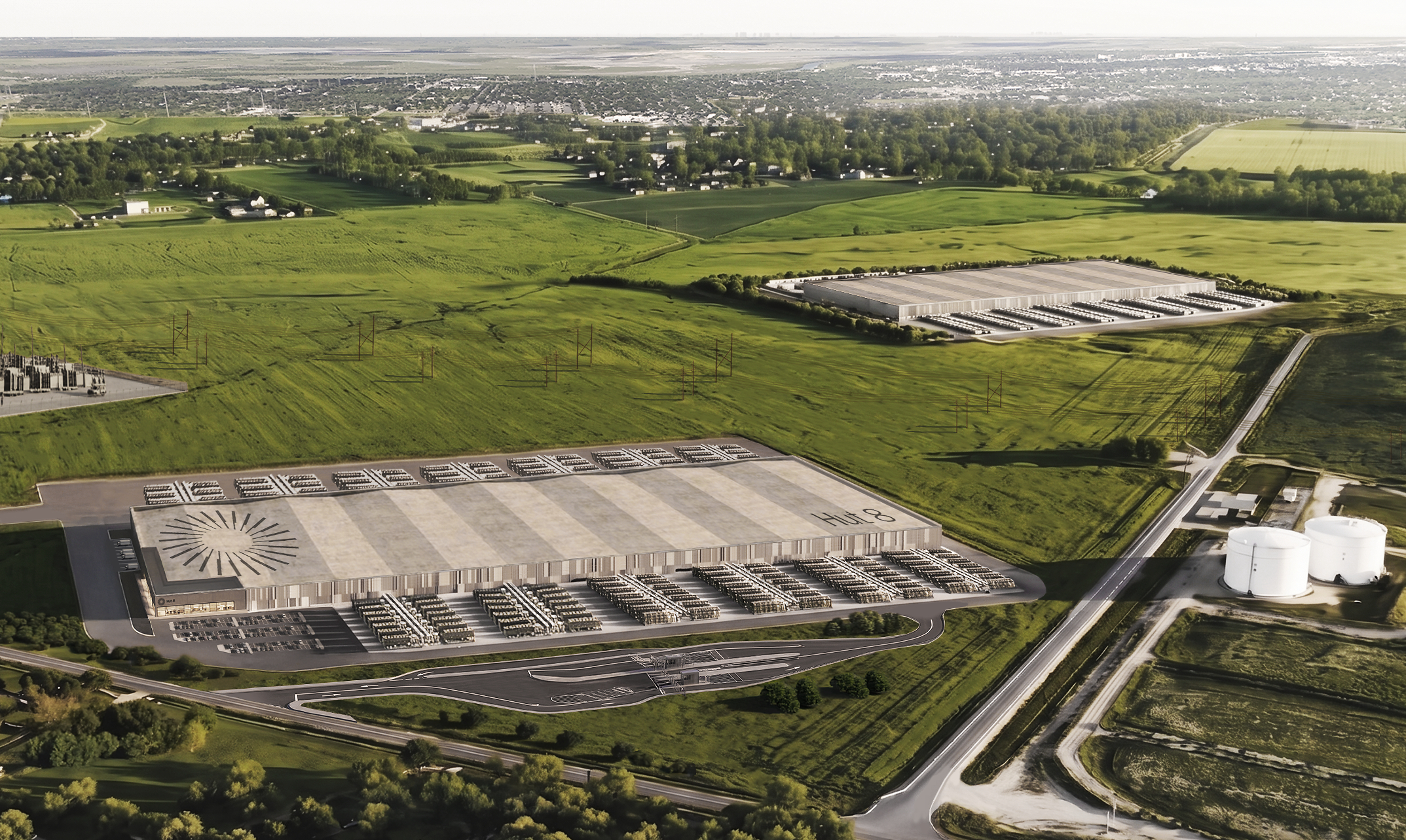
Hut 8, meanwhile, reported progress at Beacon Point near Robstown in its Nov. 4 update. Its published program includes substation, foundation and underground utility work, with Jacobs serving as EPCM. That is a field-development milestone, distinct from an announcement of a proposed campus or a registration carrying a future construction date.
These examples establish the range of development stages in Texas. They do not establish that either project is included in the 13GW estimate or will be stopped. No project-by-project allocation of that estimate is presented here.
Tax treatment affects the equipment budget
The Texas Comptroller currently administers separate certification programs for qualifying data centers and qualifying large data center projects. The ordinary data center program temporarily exempts eligible purchases from the 6.25% state sales and use tax, with local tax still due. Eligible items include power and cooling systems, generators, servers and specified mechanical, electrical and plumbing equipment.
Under that program, certification involves at least 100,000 square feet, 20 qualifying jobs and a commitment to at least $200M of investment over five years. The exemption lasts 10 or 15 years depending on investment. The large-project program has separate thresholds and a 20-year exemption period.
Because those programs reach equipment central to a data center's operation, proposals to change them matter to project budgeting as well as site selection. The effect on an individual development would depend on the legislation adopted, its effective date and any treatment of previously certified projects. Existing eligibility should not be confused with a promise that future policy will remain unchanged.
What contractors should watch
A delayed approval can affect when an owner releases the next package even when design is continuing. For civil, electrical and mechanical teams, the practical questions are which work is currently authorized, which utilities must be available before commissioning, and which later phases still depend on a separate decision. Those questions are more useful for scheduling than applying a statewide risk estimate to every job.
Procurement could also become more cautious where a delivery date depends on unresolved approvals. Owners may have to weigh equipment commitments against the possibility of a revised energization schedule. This is a potential commercial consequence of uncertainty, not a report that suppliers have cancelled orders or that any named owner has suspended procurement.
The next decision points are the December audit findings, agency notices explaining any continuation or change in existing pauses, and the legislative proposals introduced after the session opens. For each campus, subsequent owner guidance, permit decisions and notices to proceed will show whether the policy debate changes construction activity. Until those records emerge, the 13GW estimate should be read as a measure of exposure rather than a confirmed loss of Texas construction work.