
Texas Tech’s $28M Western Arts Institute Moves Through Construction Bidding
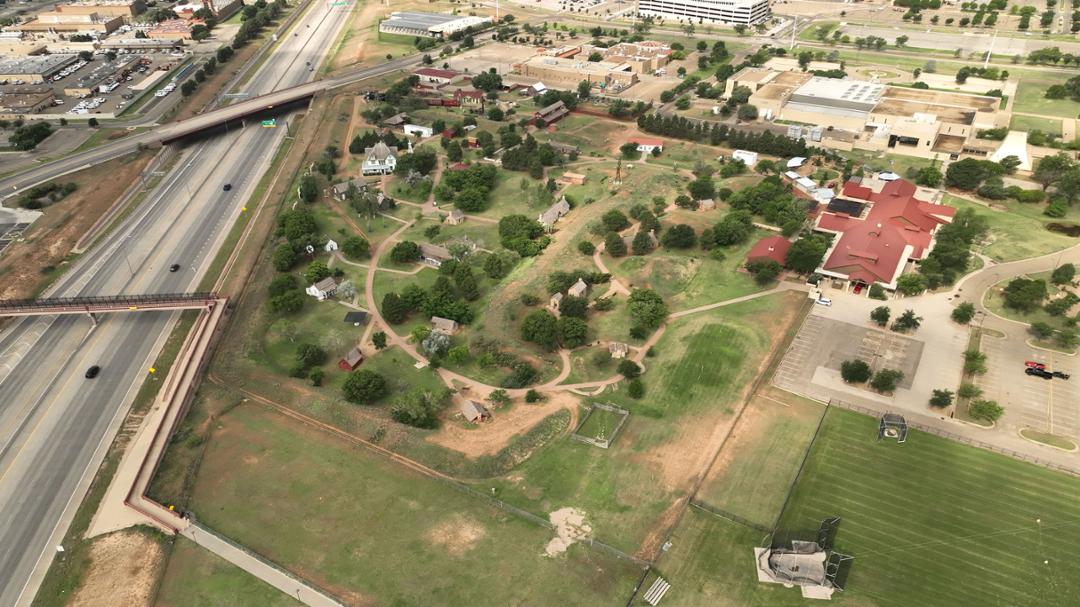
The Red Steagall Institute combines workshops, galleries and performance spaces. Bid activity is visible, but a final general-contractor appointment has not been independently confirmed.
Texas Tech’s planned Red Steagall Institute for Traditional Western Arts is moving through construction procurement, with trade-bid activity providing a closer look at a project intended to extend the National Ranching Heritage Center’s educational work in Lubbock.
University capital-planning documents identify a $28 million project budget. The development brings together spaces for Western arts, demonstrations and performance, creating a more varied building program than a conventional exhibition gallery. A final general-contractor appointment has not been independently established.
Project at a Glance
- Project:
- Red Steagall Institute for Traditional Western Arts
- Published project budget:
- $28 million
- Program:
- Studios, galleries, teaching and performance spaces
- Status:
- Construction procurement; GC award not independently confirmed
Checking your membership…
An institute built around working crafts
Texas Tech describes the institute as a place to preserve and pass on traditional Western arts through workshops, studio spaces and public access. Its intended subject areas include writing, music, leatherworking, metalworking, painting and sculpture.
The construction program therefore needs to support both making and displaying work. Visitor circulation, teaching activities and demonstrations place different demands on rooms and services. The opportunity is to create spaces where skilled practitioners can work and explain their methods, rather than simply house objects behind glass.
A mixed indoor and outdoor program
Bid descriptions identify galleries, artisan areas, saddle and boot facilities, a recording studio, a cookhouse and dining accommodation, and outdoor performance space including an approximately 300-seat amphitheater. Supporting utilities and landscape work form part of the wider development.
Published areas vary between planning and procurement descriptions, with figures in the high-20,000 to low-30,000-square-foot range. Earlier university planning records use another preliminary area. TCH is not treating those figures as interchangeable measurements of an identical final scope; the executed construction documents will provide the relevant contract area.
Bid activity is not an award announcement
Trade solicitations cover a broad range of work, including structure, concrete, masonry, roofing, building services, fire protection and audiovisual installations. Their existence shows procurement activity. It does not automatically establish that the firm requesting subcontractor prices has been awarded the university’s main construction contract.
That distinction matters here because more than one contractor has circulated a project-related invitation. TCH has therefore removed the unqualified claim that the general contractor is confirmed. The member section identifies the verified design role and explains the appointment status without assigning an unverified construction role.
The next evidence to watch
An owner-issued selection or executed contract would resolve the main appointment question. After that, package awards and an approved construction schedule would show how the project is moving from bidding into delivery. A subcontractor response deadline should not be confused with a construction-completion date.
For Lubbock’s construction market, the institute represents a specialist cultural and educational program within an established university destination. Its most useful next milestone will be a documented delivery team and scope, allowing readers to follow the building and external works through construction rather than infer progress from invitations alone.
Explore the project overview, dated updates and delivery milestones in Project Insights.
Explore project insights →