
TSMC Talks Put Texas’ $16.8B Terafab Project in Focus
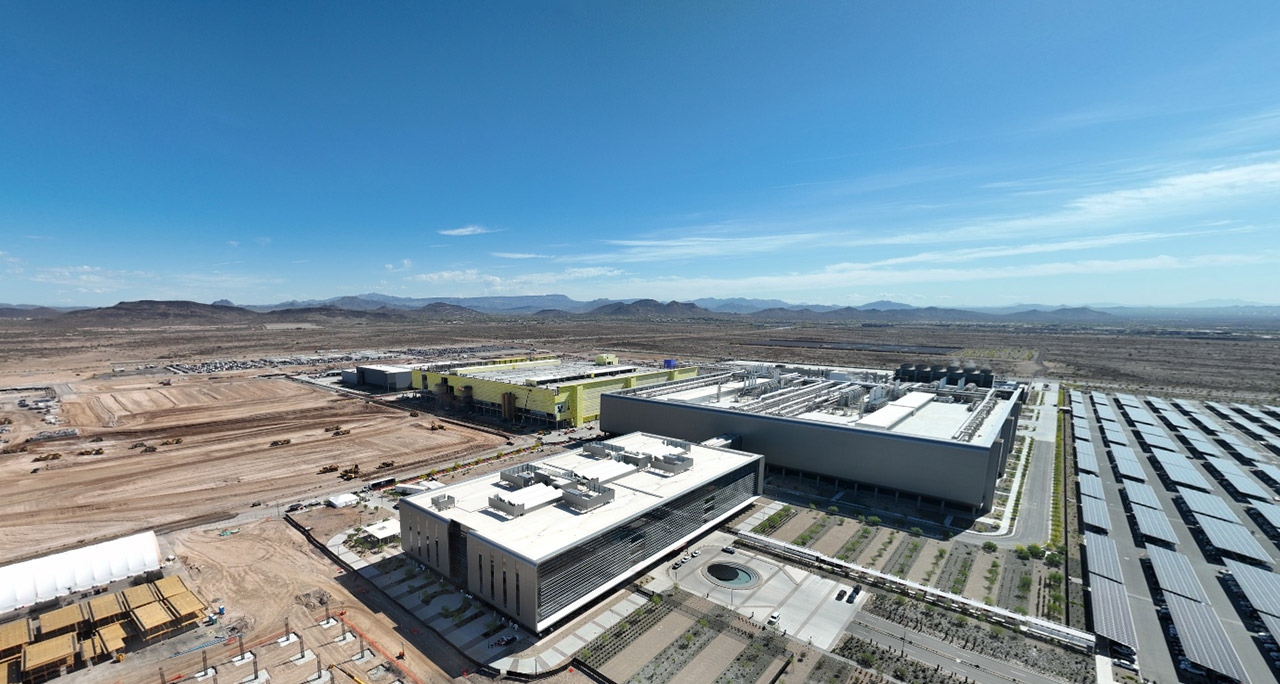
Elon Musk has acknowledged discussions with TSMC. A partnership remains unconfirmed, while the first-phase investment already announced by the state provides a separate measure of the project’s scale.
Discussions between Elon Musk and TSMC have added another dimension to the proposed Terafab semiconductor development in Grimes County. Musk acknowledged the talks over the weekend, but did not announce a concluded agreement, a factory operating arrangement or a construction commitment from the Taiwanese chipmaker.
That is a material distinction for a project already carrying a first-phase investment figure above $16.8 billion. An experienced semiconductor manufacturer’s potential involvement warrants attention, but discussions alone do not establish who will build the facilities, operate production lines or supply process equipment.
Project at a Glance
- Development:
- Terafab semiconductor project
- First-phase investment announced by the state:
- More than $16.8 billion
- First-phase jobs announced:
- 3,000
- TSMC status:
- Discussions acknowledged; no agreement confirmed
A committed project announcement and a prospective partnership
The Texas Governor’s Office announced the SpaceX development on August 6, identifying more than $16.8 billion in first-phase capital investment and 3,000 jobs. The state also said a $30 million Texas Enterprise Fund grant had been extended to SpaceX and that the project qualified under the JETI incentive program.
Those are separate facts from the TSMC discussions. The first-phase investment announcement does not mean TSMC has agreed to fund that amount, and the grant should not be added to the capital figure as though it were a separate construction package. An eventual partnership could define a particular manufacturing role without covering every part of the wider development.
Why an operating partner would matter
A semiconductor facility depends on the integration of a building with production processes, utilities and tightly controlled operating conditions. The identity and responsibilities of an operating partner would help clarify which technologies the plant is designed to support and how the project moves from construction into qualification and production.
TCH’s construction assessment is that this makes a detailed agreement more useful than a general statement of interest. A future announcement should identify the scope, the responsibilities of each participant and the phase to which the arrangement applies. Until then, it would be premature to describe Terafab as a TSMC factory or assign TSMC responsibility for the full development.
Construction scope still needs definition
The broader Terafab concept has been discussed as an integrated semiconductor ecosystem encompassing logic, memory, packaging and testing. Those activities have different space, equipment and infrastructure requirements. A long-term campus ambition should not be treated as the floor area of an approved first-phase construction contract.
The delivery details most useful to construction readers are the first buildings, their utility requirements and the boundaries between base-building work and production installations. Electrical distribution, process services, cleanroom systems and water treatment could be important workstreams, but the reviewed announcements do not confirm the award or release of those packages.
What would establish the next milestone
A signed partnership announcement would be one meaningful step; a defined delivery program would be another. They should be tracked separately. The same applies to construction completion and the start of commercially qualified chip production, which are not interchangeable milestones.
For now, the strongest formulation is that TSMC and Musk are in discussions concerning Terafab. The state’s first-phase investment and employment announcement stands on its own. Confirmed operating responsibilities, a building schedule and project-specific construction appointments would turn the latest development into a more complete delivery story.