Project News / Water
Texas Water Development Board Approves $73.8 Million for Seven Water Projects
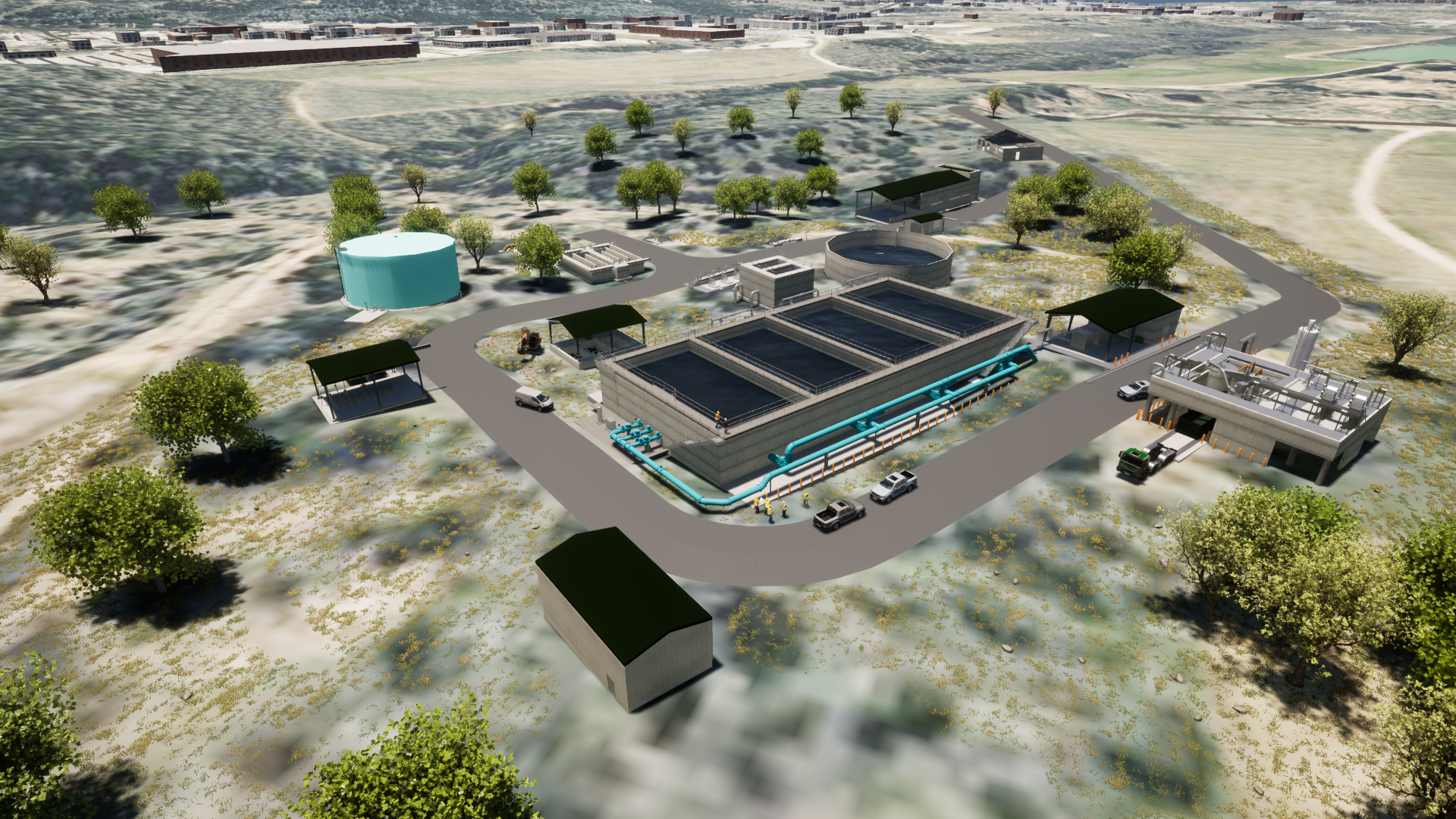
The Nov. 12 approvals total $73,800,905, led by $34 million toward Marble Falls' $121.8 million wastewater plant relocation and a $30.3 million PFAS treatment grant for Weatherford.
The Texas Water Development Board approved $73,800,905 in financial assistance for seven water, wastewater and flood projects at its Nov. 12 meeting. The two largest awards, to Marble Falls and Weatherford, account for more than $64 million of the total. The other five commitments support flood work in Austin, lead service line programs in San Angelo and Harris County, and drinking water projects in Plainview and Lubbock County.
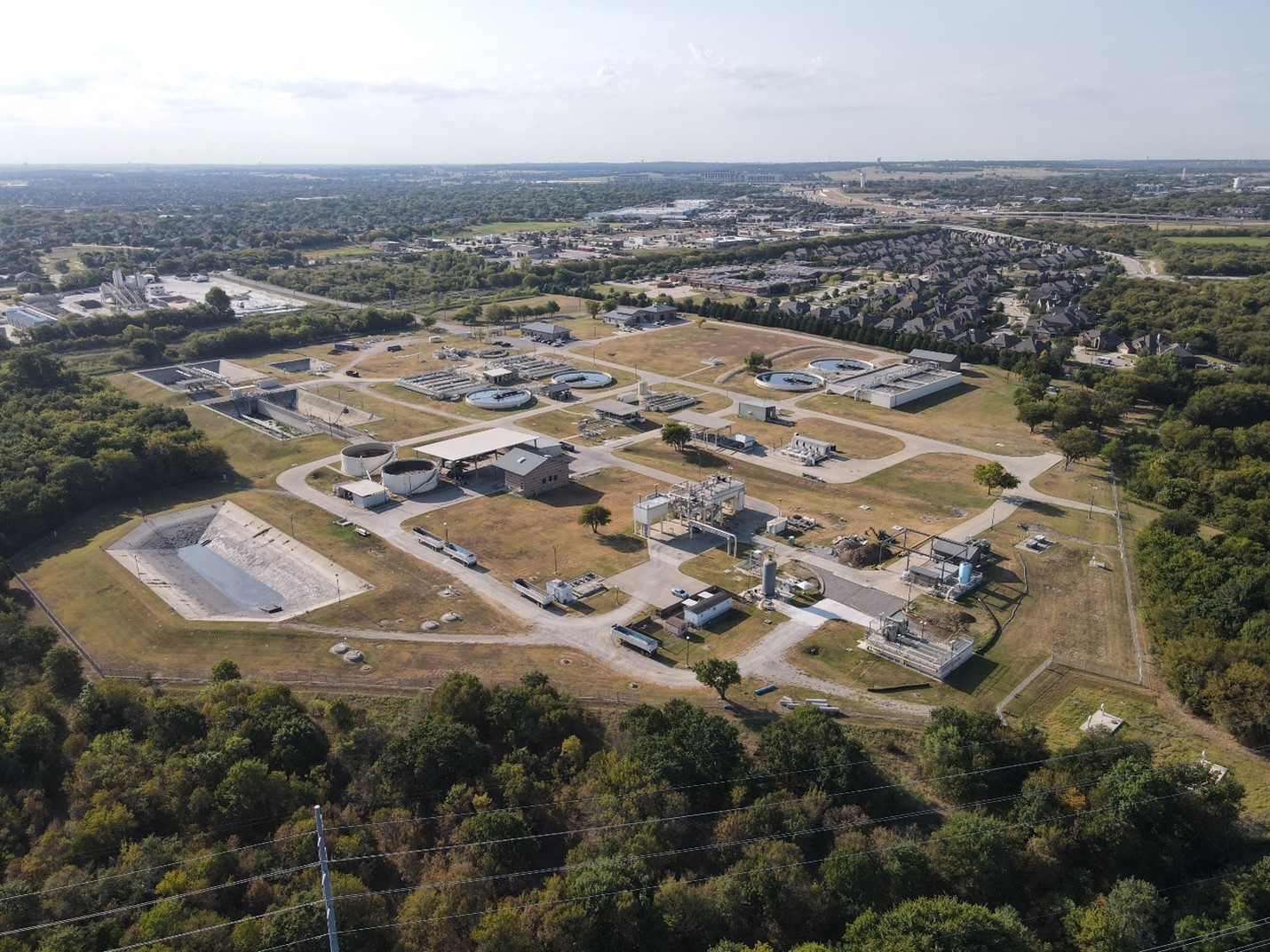
Marble Falls received $34 million from the Clean Water State Revolving Fund to move its wastewater treatment plant out of the floodplain. According to the board item, the existing plant has flooded repeatedly over the past decade. The new wastewater treatment and reclamation plant will double capacity from 1.5 million to 3.0 million gallons per day.
Treatment plants and reuse capacity
The board item puts the total project cost at $121,848,238. The scope includes a lift station, force main, preliminary treatment, flow equalization, secondary treatment, filtration, disinfection, biosolids handling and SCADA controls. The city previously received Flood Infrastructure Fund and Clean Water State Revolving Fund assistance from the board in 2021 and 2024, along with supplemental EPA grant funding, and the item lists about $12.8 million in local and other funds.
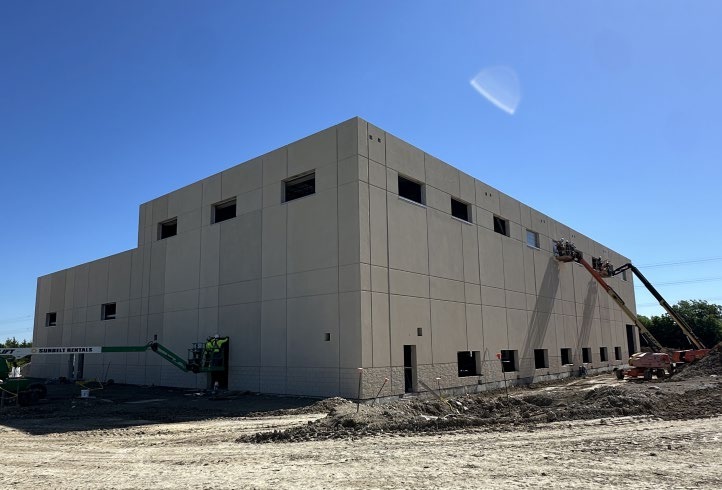
Work on the plant is already under way. The board item reports preconstruction about 30% complete and construction about 5% complete, with completion set for Nov. 15, 2029, and loan closing scheduled for Feb. 15, 2027. The city is delivering the project under the construction manager at risk method. Marble Falls, in Burnet County about 50 miles northwest of Austin, serves about 9,400 residents.
The seven funding awards
Weatherford, through its Municipal Utility Board, received a $30,315,905 grant from the Drinking Water State Revolving Fund's Emerging Contaminants for Small or Disadvantaged Communities program. The award is a 100% grant and covers the full project cost. It will fund improvements at the city's 14 million-gallon-per-day water purification plant, built in 1993 and supplied by Lake Weatherford and Lake Benbrook, where the board item says PFAS compounds in the distribution system exceed EPA maximum contaminant levels.
Granular activated carbon is the preferred treatment, with the final choice to follow a pilot study during planning; reverse osmosis and ion exchange are also under consideration. Planned work includes four new granular activated carbon contactors, modifications to existing contactors, a 108,000-gallon backwash supply basin, two 6,375-gallon-per-minute backwash pumps, four turbine pumps, pump station upgrades, and electrical and chemical feed improvements. The budget allots $23,451,000 to construction, $3,820,000 to basic engineering services, $1,120,000 to special services and $1,924,905 to contingency.
The engineering line includes $300,000 for construction manager at risk services. Under the board schedule, planning is to finish by May 30, 2027, and design by Aug. 30, 2027, with construction running from Nov. 30, 2027, to May 30, 2029. Weatherford serves about 35,300 residents.
Austin received a $3,235,000 zero-interest Flood Infrastructure Fund loan for the first phase of a project to protect the South Austin Regional Wastewater Treatment Plant, the Sand Hill Energy Center and Fallwell Lane from Onion Creek and Colorado River flooding up to the 100-year event. This phase covers environmental assessment, engineering, design and permitting. Total project cost is $5,731,460, and the city also holds $2,496,051 in FEMA Building Resilient Infrastructure and Communities grant funding, with design and environmental clearance scheduled through Jan. 27, 2028.
Delivery and funding context
San Angelo received $3 million, including $1,530,000 in principal forgiveness, from the Drinking Water State Revolving Fund Lead Service Line Replacement Program to finish inventorying about 35,354 service lines. About 82% have been inventoried so far, with no lead lines found and 1,490 galvanized lines identified for replacement. Harris County Fresh Water Supply District No. 1A received $1.5 million, including $765,000 in principal forgiveness, to replace 19 lead service lines and about 1,300 feet of water line, with construction scheduled from Nov. 24, 2027, to May 31, 2028.
Plainview received a $1 million emerging contaminants grant to plan and design improvements to remove lithium at its water treatment plant and four wells, which have a combined capacity of 2.6 million gallons per day. The city plans to seek separate funding for construction. Christian Life Center in Lubbock County received $750,000 in principal forgiveness for planning, design and construction of water system improvements.