
104-Bed State Facility Advances in Brazoria County
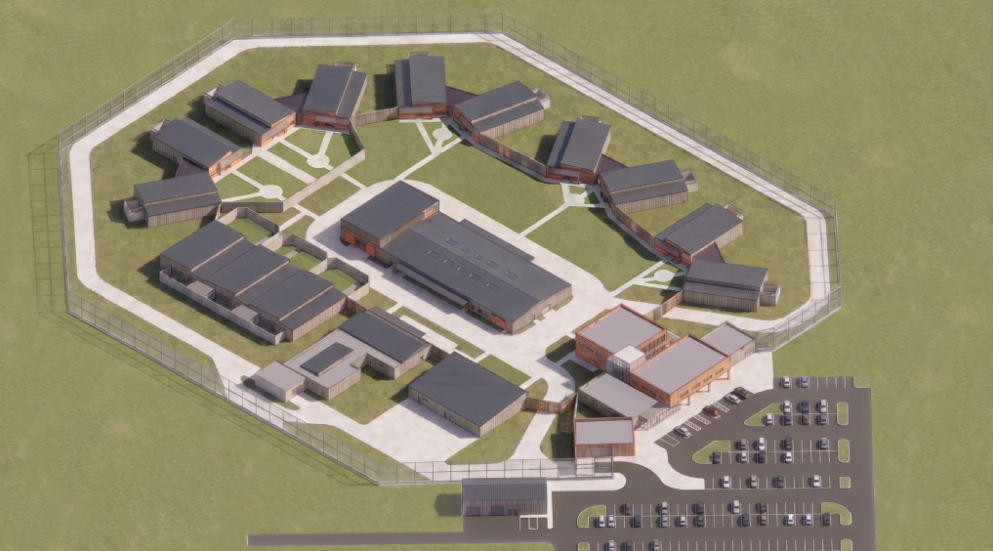
The Rosharon development is one of two juvenile justice facilities supported by a combined $304 million state program.
The Texas Juvenile Justice Department’s new secure facility in Rosharon has reached its scheduled October 1 groundbreaking milestone, advancing a major public construction program in Brazoria County.
The 104-bed facility at 59 Darrington Road is paired with a separate 104-bed Ellis County development, where the groundbreaking is scheduled for October 7. The two projects share a $304 million funding program; that amount is not the budget for Brazoria alone.
Project at a Glance
- Brazoria facility:
- 104 beds
- Combined funding:
- $304 million for Brazoria and Ellis County facilities
- Scheduled ceremony:
- October 1, 2026
- Latest completion target:
- First half of 2029
Checking your membership…
A specialized state facility
TJJD says the Brazoria development will serve young people with high-risk behavioral profiles through secure facilities designed around rehabilitation, staff safety and structured programming. The Ellis County project has a different emphasis on intensive mental and behavioral health needs.
Both developments bring accommodation, program spaces and supporting infrastructure into purpose-built campuses. Their separate locations and functions should be retained when tracking funding and construction progress.
Latest agency timetable points to 2029
TJJD’s September 3 update says construction is expected to be completed in the first half of 2029. That is the current agency target used here, rather than presenting late 2028 occupancy as confirmed.
The official October 1 invitation establishes the scheduled ceremony, but does not independently confirm its outcome or the extent of field mobilization. The delivery team and sourced timeline are available to upgraded members in Project Insights.
Designing around daily operations
The agency’s project update describes design work that goes beyond residential accommodation. It identifies the relationships between intake, infirmary, food service, treatment and residential support, alongside classrooms and dayrooms. Those connections will influence how young people and staff move through the campus and how services are delivered once it opens.
For construction, that makes coordination between spaces and building systems central to the project. The public material sets out the operating purpose but does not provide a final room schedule, building-by-building area or package-level budget. Those details should be established before assigning precise values to individual parts of the development.
A Houston-area workforce strategy
TJJD also links the location of its new facilities to recruiting staff near major population centers. The agency anticipates approximately 400 jobs in each host community. These are projected operational employment opportunities, not a disclosed peak construction-workforce count.
Brazoria’s proximity to the Houston region is therefore part of the long-term service plan as well as the construction story. A finished building will still need staffing and operational preparation before it can receive residents. The first-half 2029 construction target should not automatically be treated as a confirmed opening day.
Following the two-site program
Tracking Brazoria separately from Ellis will be important as the program advances. Shared funding and a coordinated delivery team do not mean the sites will reach every milestone together. Site-specific contract values, field progress and handover plans will provide a clearer basis for future updates than dividing the total program budget equally between the two locations.
Explore the project overview, dated updates and delivery milestones in Project Insights.
Explore project insights →