Project News / Data Center
Galaxy’s 260 MW Helios Phase II Targets Second-Quarter 2027 Delivery
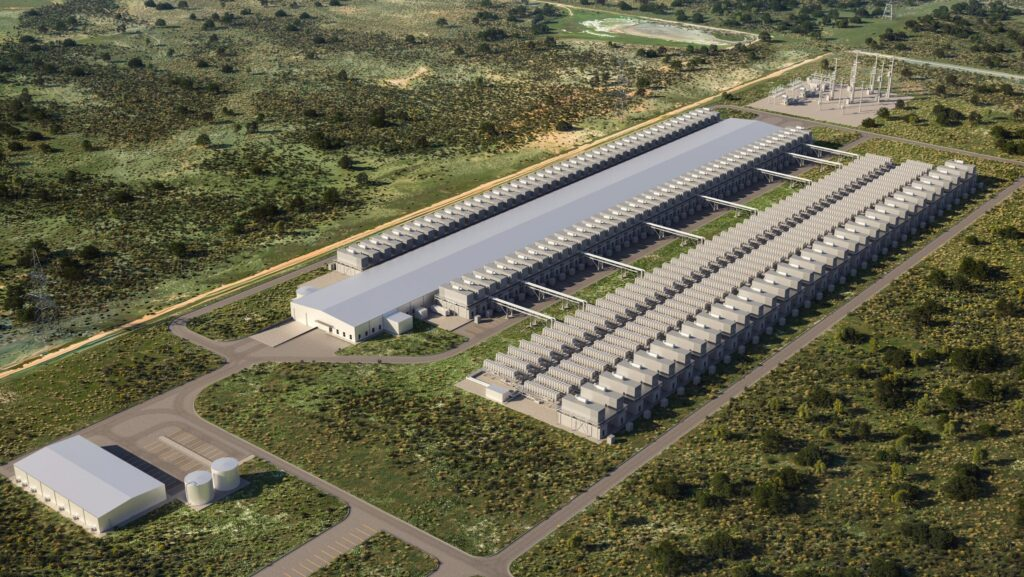
Structural steel is rising on the first of two buildings as Galaxy advances the substation and electrical procurement.
Galaxy Digital expects to start delivering data halls from Helios Phase II in the second quarter of 2027, keeping the 260 MW critical IT buildout on the schedule outlined in its October 27 earnings update. The project comprises two buildings at the company’s Dickens County campus. Galaxy issued $3.5 billion in senior secured notes to finance part of the development and fund debt-service reserves.
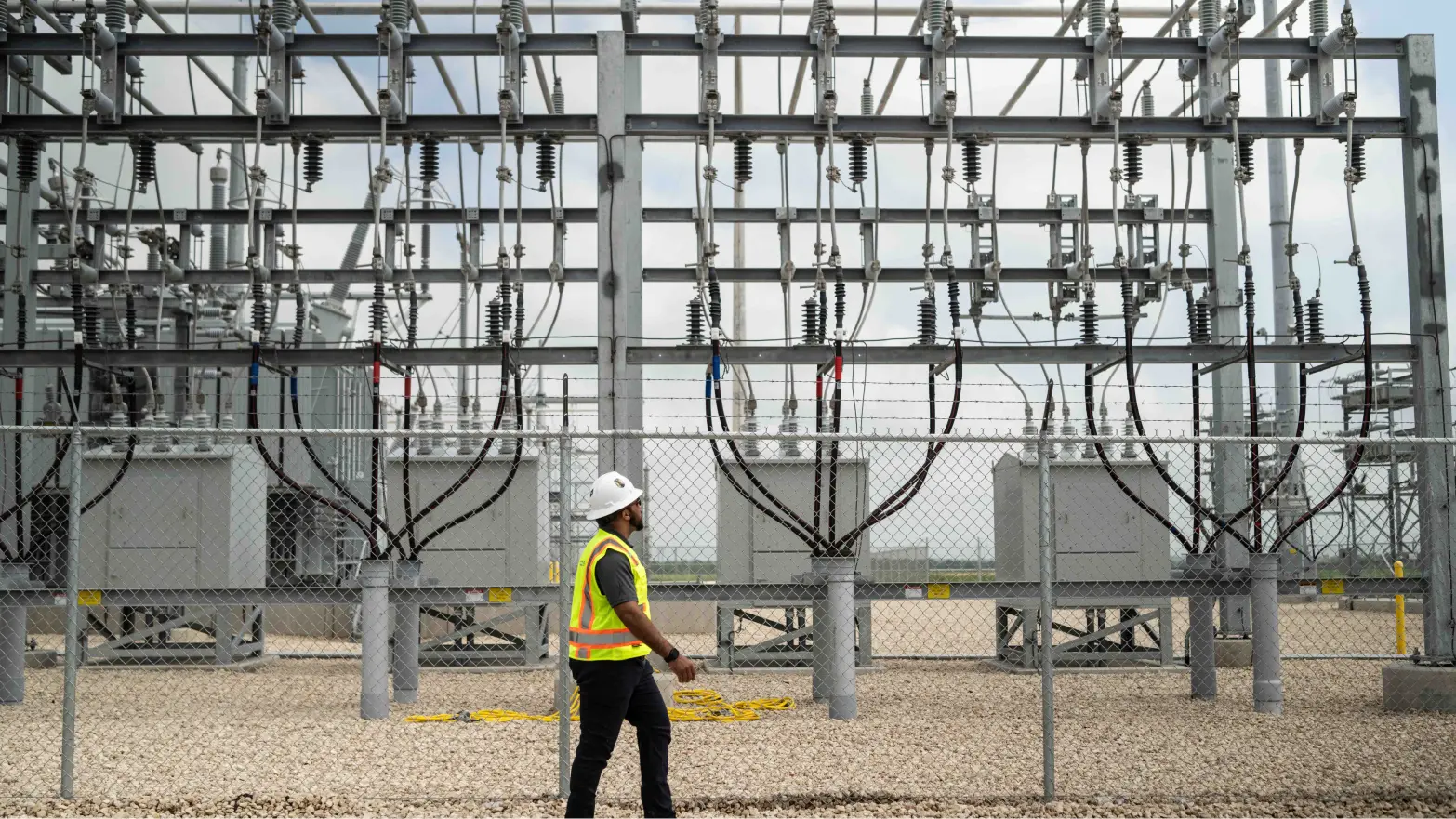
Structural steel is rising on building one, and building two is also under construction. Galaxy said the substation remains on schedule and on budget. The company has committed approximately $230 million to long-lead electrical equipment, giving the update a procurement measure alongside the work visible on site.
The distinction between utility supply and usable computing load matters at this scale. The two buildings are designed around 400 MW of utility capacity and 260 MW of critical IT capacity, the latter referring to power available for computing equipment. The quarter-two target is for the first data hall deliveries, with the buildings and their associated systems progressing toward that milestone.
The work follows Helios Phase I, which is fully operational and delivers 133 MW of critical IT load to CoreWeave. Galaxy says the lease generates approximately $80 million a quarter, giving the company an operating first phase while it builds the next one.
Galaxy is separately seeking a tenant for the larger opportunity it refers to as Helios II, with 830 MW of approved power. The company walked away from lease terms offered over the summer and is targeting an investment-grade hyperscaler for potential delivery in 2028. Across its wider pipeline, five Galaxy projects totaling approximately 4.2 GW received conditional ERCOT classifications, while three sites totaling 2.6 GW went into a lower-priority study class.