
Google Eyes 1GW Data Center Campus on 2,800 Acres in North Texas
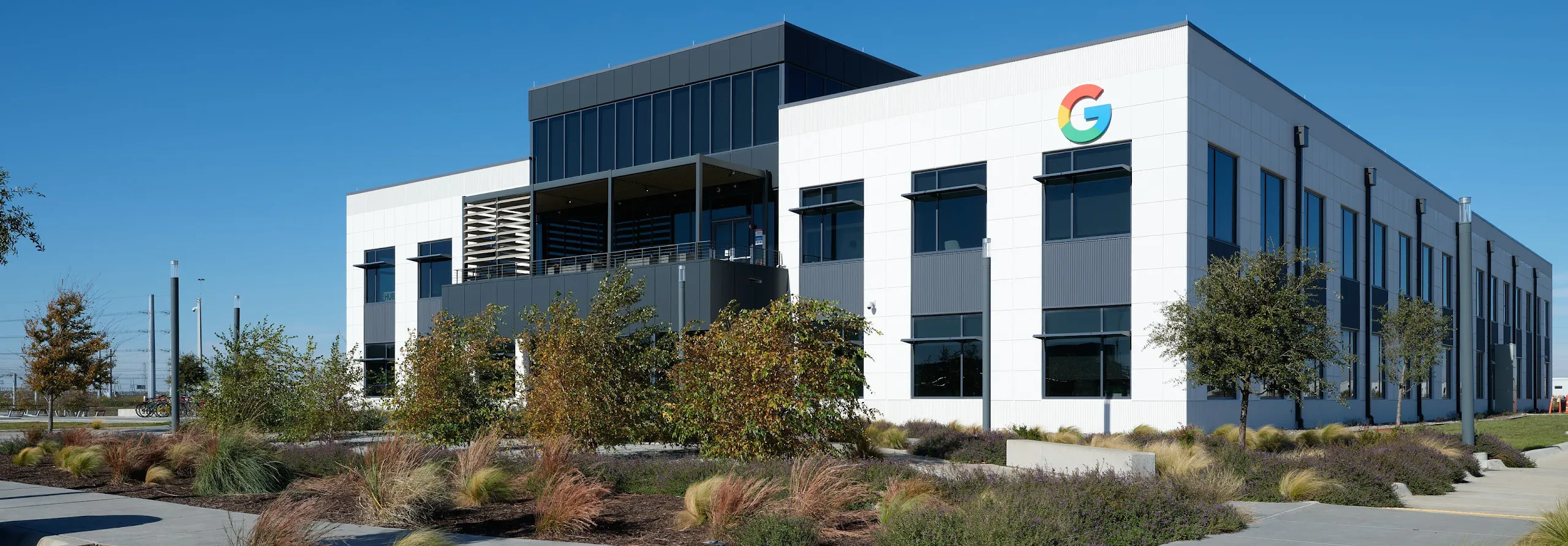
County-hosted plans describe four buildings and a 1GW power request for Project Raptor. The proposed campus remains in development, with electricity delivery and infrastructure approvals central to its prospects.
Google is considering a four-building data-center campus on approximately 2,800 acres in Archer County, with a requested electricity supply of 1,000 megawatts. Known as Project Raptor, the proposal would place another North Texas location within the state's expanding network of large computing developments. It remains a development proposition rather than a confirmed construction start.
The acreage is supported by both the project presentation and a frequently asked questions document hosted by Archer County. That resolves a discrepancy in circulating summaries that describe a 2,200-acre site. The documents are dated April 2026, so they establish the proposal's underlying parameters rather than a newly signed October investment commitment.
For the construction industry, the central issue is how much of that proposed scale can become a deliverable first phase. Land, a preliminary building arrangement and a large power request are meaningful starting points. They do not, on their own, establish an energized campus, an awarded building program or a customer-ready completion date.
Project at a Glance
- Project:
- Project Raptor — proposed Google campus
- Land:
- Approximately 2,800 acres
- Preliminary plan:
- Four data-center buildings
- Power:
- 1,000MW requested; delivery subject to approval
- Status:
- Planning and due diligence; vertical-construction start not confirmed
One gigawatt is a request, not connected capacity
The county-hosted FAQ says Google requested 1GW for the proposed buildout, subject to ERCOT approval. Its preliminary expectation was for a small initial portion in 2028 and the balance in 2031. Those statements describe an intended power ramp, not a promise that all four buildings will open together or that full capacity is already available.
That distinction changes how the opportunity should be assessed. Building shells can advance before their final operating load is available, while an initial energized phase may be much smaller than a site's eventual ambition. A useful construction schedule needs to connect each building package to the electrical infrastructure and testing required for its own handover.
TCH's assessment is that power delivery is the most consequential milestone to watch. A confirmed first-phase allocation would make the initial construction program easier to define. Conversely, a change in the timing or size of the allocation could reshape the sequence of buildings, equipment purchases and commissioning. The reviewed documents do not establish an approved connection timetable.
A large landholding leaves important design questions open
The presentation identifies a potential multiphase development. Its acreage should therefore be read as the property under consideration, rather than a measure of completed building area. The reviewed material does not establish the total square footage of an approved campus or the floor area of an awarded first building.
For civil and structural businesses, that difference matters. A large property can accommodate infrastructure corridors, setbacks and later phases as well as data halls. Only a more developed site plan will show where the initial earthworks, drainage, foundations and utility routes are concentrated. Applying a building-cost rate to the entire landholding would produce a meaningless estimate.
The April presentation puts an indicative $1 billion investment and 50 direct jobs alongside the proposal. Those preliminary economic-development figures should not be mistaken for a guaranteed ultimate budget for every phase of a 1GW campus. Later owner commitments and package-specific filings will provide a stronger basis for understanding the actual construction spend.
Air-cooled does not mean the site needs no water infrastructure
Project Raptor's preliminary cooling approach uses a closed loop and air-cooled chillers. Google also anticipates ordinary domestic water requirements, construction uses and initial system filling. The distinction is useful: avoiding evaporative cooling demand does not remove the need for a functioning water connection or wastewater arrangements.
The FAQ describes water-system improvements estimated at $3.5 million to $4.5 million, to be funded by Google. The figure is an infrastructure estimate within the development discussion, not the cost of the data center itself. It also remains subject to the final assessment of the system's requirements.
The delivery question is whether those utility works can be designed, approved and completed in step with the first occupied facilities. Temporary construction needs and permanent operating needs may follow different schedules. Any update should identify which works have actually been authorized and which remain part of the preliminary proposal.
Local concerns belong in the delivery assessment
The proposal has attracted local scrutiny over its infrastructure requirements and relationship with neighboring properties. The existence of a project FAQ does not demonstrate that those concerns have been resolved. Equally, objections to a proposal should not be described as a final permitting decision unless the relevant authority has made one.
Noise, construction traffic and utility arrangements are practical design and delivery issues. Equipment placement, access planning and the timing of works can all affect the experience of surrounding residents. The useful evidence will be the final commitments, the approvals that make them enforceable and the project's performance against them.
TCH has not verified a current final wastewater-permit determination for this campus. The article therefore does not treat the approval process as completed or describe local opposition as having stopped the development. Future coverage should distinguish county discussions, state permitting decisions and the developer's own investment choices.
What this could mean for construction procurement
A development at the proposed scale could involve substantial civil, concrete, structural, electrical, cooling and commissioning work. That is an assessment of the systems a data-center campus requires, rather than evidence that all of those packages are currently available for bid. No general contractor or major trade appointment is confirmed in the material reviewed for this article.
The most useful next disclosures would separate enabling works from vertical construction and customer fit-out. A road or utility package can be a significant opportunity even while a building phase is still being designed. Similarly, evidence that one package is moving does not establish a notice to proceed for the entire campus.
Businesses following Raptor should look for an identified first phase, dated procurement documents and a clear relationship between the construction scope and the available power. Those details turn a large headline into a program that can be assessed for workforce, equipment and delivery requirements.
The milestones that would move Raptor forward
Google already identifies operating Texas facilities and further investment across the state. That broader footprint provides context for the Archer County proposal, but it cannot substitute for project-specific approval. A separate Google campus reaching construction does not prove that Raptor has reached the same stage.
The next decisive evidence would include a confirmed investment decision, an approved utility strategy, a defined building schedule and documented construction appointments. Until those emerge, the accurate description is a proposed 1GW campus on 2,800 acres. Its scale makes it worth close attention; its development status makes precision essential.
Explore the project overview, dated updates and delivery milestones in Project Insights.
Explore project insights →