
$15B Hudspeth Data-Center Proposal Draws Scrutiny After Reported Groundbreaking
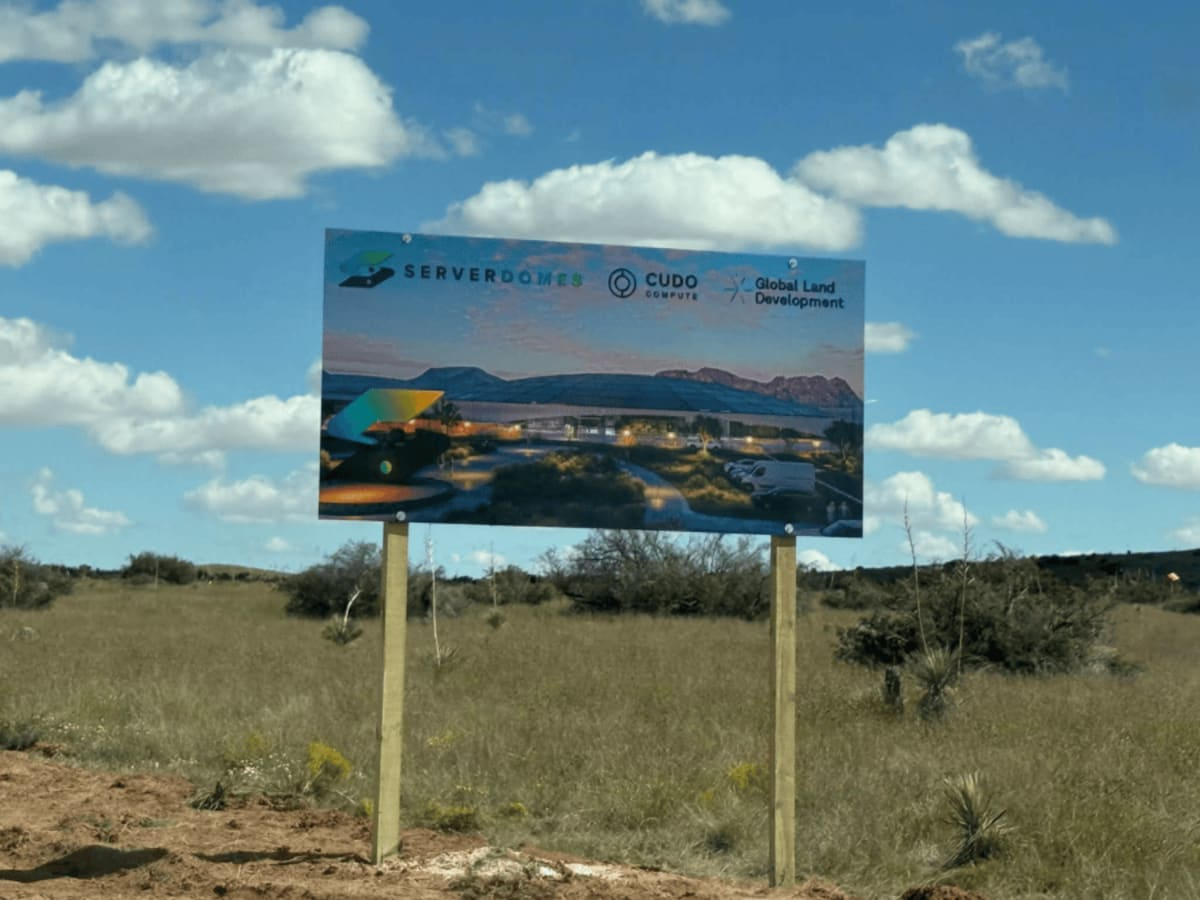
Local reporting places an October 7 groundbreaking near Desert Haven, while county officials seek clearer information on roads, water and the delivery timetable.
A proposed data-center development near Desert Haven has moved into the spotlight after local reporting described a groundbreaking involving Kaufman & Company and partners. KTSM’s report, updated October 10, places the ceremony on Wednesday, October 7. That is a reported project milestone, not confirmation that the entire proposed campus is in vertical construction.
Hudspeth County Judge Joanna MacKenzie described a $15 billion proposal to KVIA on October 9. The county is seeking further information about infrastructure impacts and the project’s delivery. The investment figure should be read as a reported proposal value, rather than an awarded construction contract.
Project at a Glance
- Reported investment:
- $15 billion, according to the county judge
- Location:
- Private property near Desert Haven
- Status:
- Reported groundbreaking; full construction schedule unverified
Separate early activity from the full buildout
KVIA reported that construction could begin in 2027, alongside private-road grading and discussions about county-road use. That account and the reported groundbreaking describe different possible stages of development. Neither establishes the date when the first computing building will be complete or energized.
For construction readers, the useful next evidence is a phase-specific site and utility program. A ceremonial start, access work and building construction can occur at different times. Their relationship needs to be established from project records before the campus can be assigned a dependable delivery schedule.
A platform relationship, with delivery roles still open
Kaufman & Company’s own venture materials identify ServerDomes Global as part of its data-center platform and describe a relationship with Lonestar Kaufman Development Partners on Texas and Utah infrastructure projects. That supports the corporate connection. It does not establish the general contractor, civil contractor or electrical team for the Hudspeth development.
The platform markets modular, liquid-cooled facilities. Its general technical claims should not be treated as an approved design for this particular campus. TCH has not verified a project-specific building count, power rating or final cooling arrangement from the reviewed primary material.
Infrastructure questions remain consequential
The county judge told KVIA that officials were seeking assurance about effects on other water users. That remains a substantive delivery question, alongside access and the power program.
The next major update should explain the boundary between privately delivered infrastructure and any connections to public systems. That boundary affects approvals, sequencing and responsibility for upgrades. Until it is documented, the reported investment and groundbreaking are useful signals of developer intent, but an incomplete basis for estimating the work available to individual trades.
A campus ambition still needs a phase-specific plan
ServerDomes Global markets Hueco Ranch as a 24,000-acre development and describes planned capacity of 350 megawatts. Those are company planning claims, not a verified electrical commissioning milestone. Its website’s project descriptions are not fully consistent on geography and configuration, so a site-specific engineering package remains more dependable than treating every platform claim as a settled specification for Hudspeth County.
The distinction between a large landholding and an initial construction site is especially important here. The advertised acreage does not mean the entire property will be covered by buildings. A usable development plan would show the first computing area, energy facilities, roads, drainage and land reserved for later phases. It would also identify what can operate independently if the remainder of the campus is delayed.
Local coverage attributes an on-site power strategy to project representatives. The reviewed material does not establish the generation technology, fuel arrangements, installed capacity or a permitted construction sequence for that system. A behind-the-meter concept therefore should not be read as proof that the power infrastructure is already in place.
What modular delivery changes—and what it still requires
The platform promotes modular and prefabricated construction. This could change where parts of the project are built and how work is scheduled, but it does not remove the need to prepare the site. Foundations, incoming services, equipment connections and acceptance testing still have to align with the delivery of factory-made components.
For a remote campus, that makes logistics a substantive part of the construction program. A repeatable building system still needs suitable access for its components and heavy equipment. The reported private-road grading is relevant early activity, but it cannot establish readiness for every subsequent delivery. Road-use arrangements, site access and the timing of work on shared routes are practical milestones to track.
The same applies to commissioning. A completed enclosure is only one part of an operational data center. Power quality, protection systems, cooling performance, controls and connectivity must work together before an occupier can use a phase. No customer-ready capacity or commissioning date has been independently verified for this development.
Water claims need a project-specific operating basis
The county judge’s account describes an initial water draw followed by recirculation. The county is seeking confirmation that neighboring users will not be affected. TCH has not reviewed a project-specific water balance or the supporting hydrogeological assessment, so the claim should remain attributed rather than presented as a demonstrated result.
A useful water submission would define the initial fill, the systems included and the assumptions used for normal operation. It would also explain how exceptional conditions and maintenance are handled. That information would allow the county and surrounding users to assess the actual demand rather than rely on a broad description of cooling technology.
The next substantive update should bring the developer’s capacity and resource assumptions together with a phase plan that local officials can examine. Until then, the reported groundbreaking and site activity show movement, while the $15 billion figure remains a proposal-scale estimate. They do not establish that the full campus is financed, permitted or committed under construction contracts.
Explore the project overview, dated updates and delivery milestones in Project Insights.
Explore project insights →