
Tesla’s Proposed $10.1B Texas Factory Clears Major Incentive Hurdle
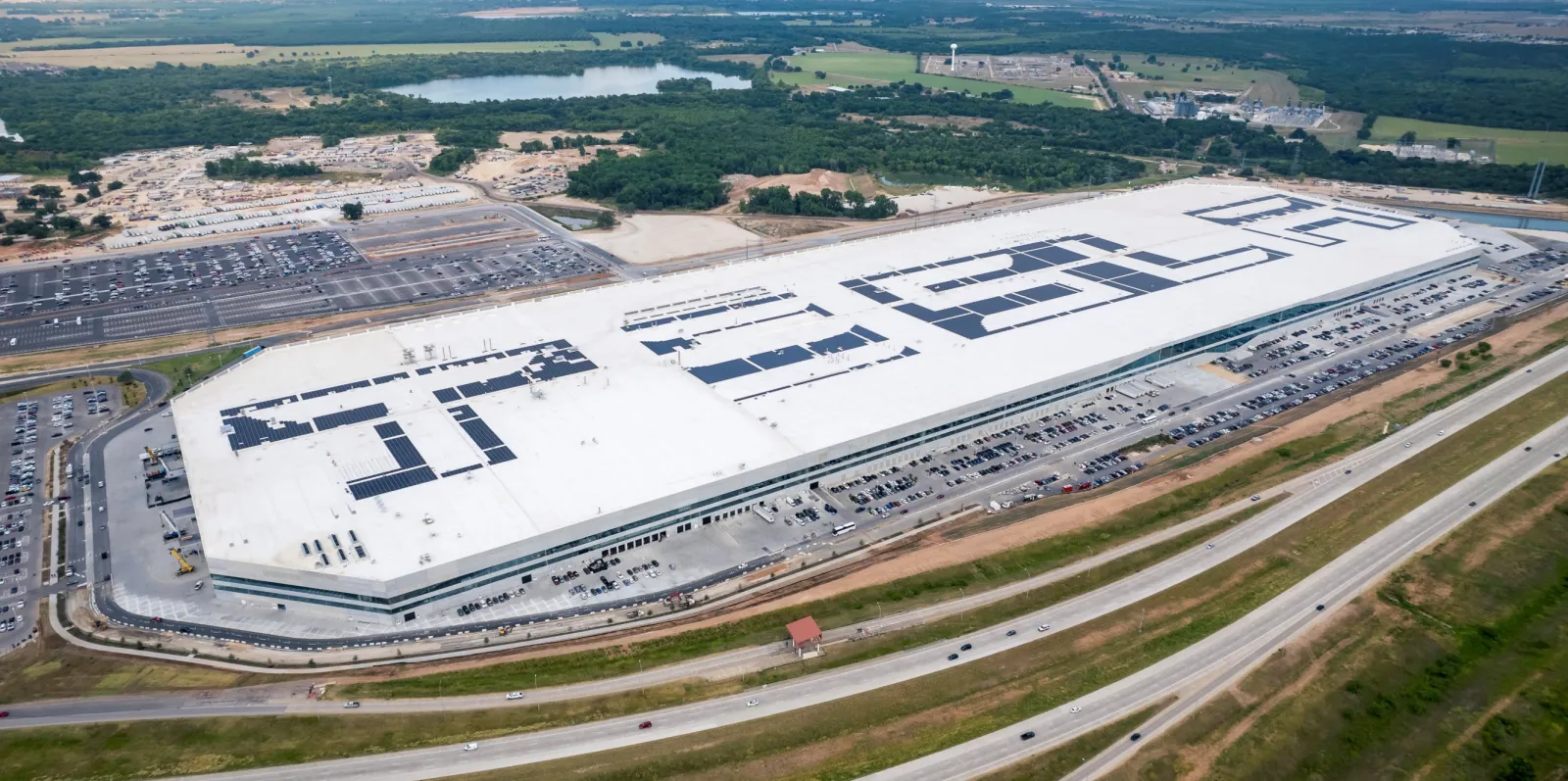
Fort Bend County has advanced incentives for Project Crystal Sun, a proposed solar manufacturing complex. Tesla has not announced a final site selection.
Fort Bend County has moved a step closer to attracting Tesla’s proposed $10.1 billion solar manufacturing complex after commissioners approved incentive agreements on October 22. The 4–0 vote, reported the following day, advances the county’s offer for Project Crystal Sun following earlier school-district action. It does not establish that Tesla has chosen the site or authorized construction.
That distinction is central to the construction story. A development of this scale could create a substantial program of industrial buildings, utilities and production-line installation southwest of Houston. For now, however, the county has improved the terms on which it is competing for the investment. The next decisive milestone belongs to the company: a final location decision and a commitment to proceed.
Project at a Glance
- Proposed investment:
- Approximately $10.1 billion, including manufacturing equipment
- Potential employment:
- Approximately 9,700 permanent jobs
- Latest milestone:
- County incentive approval reported October 22
- Operating target:
- Early 2029, conditional on the project proceeding
- Construction status:
- Not confirmed; site selection remains outstanding
A manufacturing proposal, not a data-center campus
Project Crystal Sun concerns solar cells and related products. In a county workshop, presenters explicitly distinguished it from a data center and said Tesla was comparing competing locations. The presentation identified Austin Point as the potential setting, with approximately 1,600 acres contemplated for Tesla within a larger area shown to commissioners. Those figures describe the proposal discussed publicly, not a completed land acquisition.
The workshop estimated approximately 9,700 permanent jobs and around 1,100 workers at peak construction. The two figures measure different stages of the development. Permanent employment would depend on operating the manufacturing complex, while the construction workforce would be temporary and vary as civil work, building construction, equipment installation and commissioning progressed.
For local suppliers, that difference matters. A construction peak is not the same as a long-term hiring target, and neither establishes the number of individual trade packages available. The proposal is large enough to warrant attention, but a reliable procurement picture still requires a defined scope, delivery structure and schedule.
What the $10.1 billion figure represents
The reported investment includes substantial manufacturing-equipment expenditure. It should therefore be understood as a proposed capital investment, rather than the value of a building contract or an announced award to a general contractor. No verified construction-only total is established in the reviewed material.
A production complex can combine land and site improvements, building shells, infrastructure, specialized equipment and the work required to integrate that equipment. Those components may be purchased through different agreements and delivered on different schedules. Applying the entire investment figure to a single construction opportunity would overstate what has actually been disclosed.
Equipment intensity also changes how a factory is planned. The production process can influence structural loads, clearances, electrical distribution and the routing of mechanical services. For Crystal Sun, the capacities and specifications of those systems have not been published in the sources reviewed for this article. Potential demand for those trades is an implication of the manufacturing proposal, not confirmation of released packages.
Incentives advance the competition for the site
The county vote is meaningful because incentive agreements form part of the commercial case presented to an investor. It follows earlier school-district action, adding another local decision to a proposal that still depends on Tesla’s assessment of competing locations. Approval of the county’s offer should not be substituted for an owner announcement.
The reviewed reporting describes substantial tax concessions intended to attract the facility. This article does not assign a cash value to those concessions or treat them as a construction grant. The eventual benefit would depend on the agreements, qualifying investment and performance requirements, rather than simply matching the headline investment figure.
Site selection also sits alongside other delivery decisions. A factory needs suitable access, utilities and a workable development sequence. The incentive milestone does not establish the status of every environmental approval, building permit, utility commitment or land transaction. Those matters need their own evidence as the proposal advances.
Tesla already has a substantial Texas manufacturing base
Tesla identifies Gigafactory Texas near Austin as its global headquarters and a manufacturing base for Model Y and Cybertruck. Its published campus description covers approximately 2,500 acres and more than 10 million square feet of factory floor. That existing operation provides context for the company’s Texas presence; it is a separate facility from the Fort Bend proposal.
The company’s manufacturing overview also identifies its New York factory with Solar Roof, solar panels and electrical components. Solar manufacturing is therefore part of Tesla’s stated industrial footprint, although existing products and facilities do not establish the final production mix or capacity for Crystal Sun.
These distinctions prevent separate Tesla investments from being combined into one construction program. Work at Austin, an existing New York operation and a proposed Fort Bend complex have different locations, scopes and approval histories. Contractors assessing Crystal Sun should track its own project-specific evidence.
From a proposed factory to a buildable program
The potential early-2029 operating date is a planning target. It is not a confirmed building handover date, and production readiness can require more than finishing the structure. Equipment installation, testing and the transition to stable operations would need to fit within the eventual delivery program.
No general contractor, EPC partner or principal trade appointments have been confirmed in the reviewed material. The most useful next information would identify the engineering and design team, explain whether delivery will be split into packages and establish when sitework or utility construction could begin. Without those details, specific bid opportunities would be speculative.
If Fort Bend is selected, the project could become an important source of industrial construction and equipment-installation work in the Houston region. Today’s development is narrower but still significant: local incentives have advanced for a multibillion-dollar proposal. A final site announcement, followed by permits, contracting decisions and verified field activity, would turn that prospect into a much clearer construction pipeline.
Explore the project overview, dated updates and delivery milestones in Project Insights.
Explore project insights →