Project News / Civil
Harbor Island Desalination Plant and Pipeline Network Estimated at $6.4 Billion
The proposed plant would produce up to 100 million gallons a day, with more than 200 miles of pipelines carrying water inland.
The Nueces River Authority’s Harbor Island desalination proposal now has a reported cost estimate for both sides of the development. The seawater plant and its inland conveyance system would cost approximately $6.4 billion combined, with the estimate split roughly evenly between them. The figures, reported October 28, put the cost of moving water to customers on roughly the same scale as the cost of producing it.
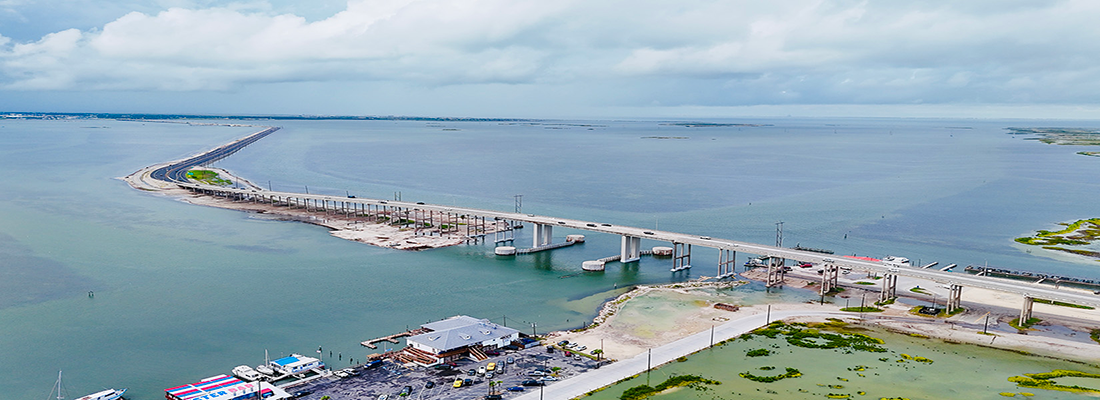
The plant would sit on Harbor Island in Corpus Christi Bay and produce up to 100 million gallons of drinking water per day. At that capacity, it would be the largest desalination plant in the Western Hemisphere if built as proposed. The engineering scope includes nearly seven miles of subsea tunnels, followed by more than 200 miles of inland pipelines and pump stations. The project therefore extends from marine construction at the coast to a separate network of civil and utility work inland.
The two parts would have different delivery leads. IDE Technologies, selected as the authority’s partner in May 2026, plans to finance and build the plant and expects to choose a general contractor in the coming months. The Nueces River Authority would develop the inland system, using water contracts with customers to fund the conveyance work.
Corpus Christi could contract for up to 50 million gallons per day, equivalent to half the proposed plant’s capacity. The proposed take-or-pay agreement would run for 20 to 30 years, committing the customer to pay for contracted supply whether it uses the full allocation or not. IDE plans to announce a water price in January 2027, when prospective buyers will have a clearer basis for evaluating long-term commitments.
The Texas Commission on Environmental Quality issued the plant’s final permit on September 23, following a $7 million Texas Water Development Board grant on August 28. The plant’s general contractor, construction start and the schedule for inland pipeline packages remain unconfirmed.