
Ebara Elliott Expands Houston Turbomachinery Service Hub
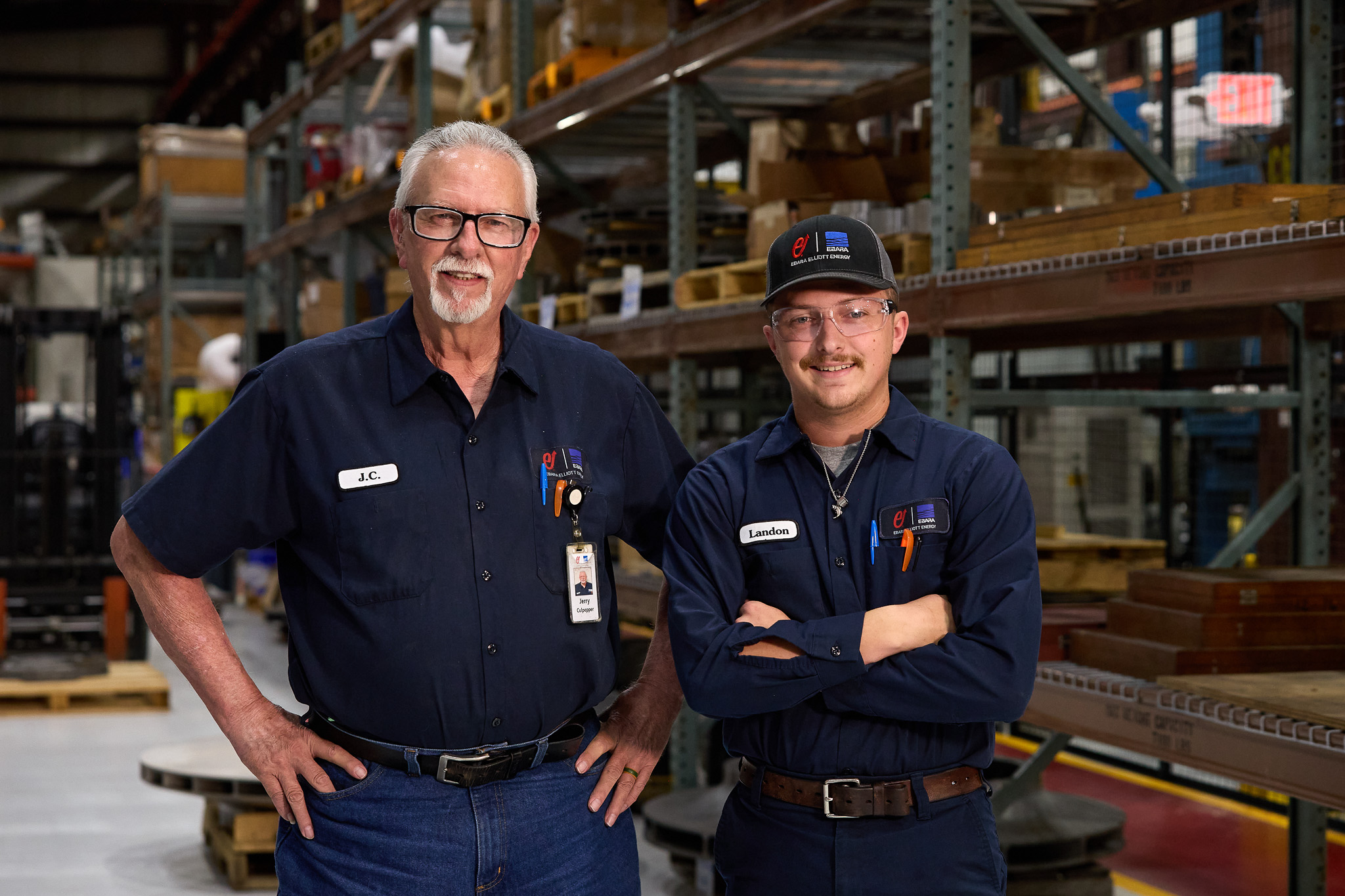
The expanded operation adds approximately 23,000 SF of shop-floor capacity for rotor restoration, testing and component work serving energy and industrial customers.
Ebara Elliott Energy has launched its expanded Houston turbomachinery service operation, adding approximately 23,000 square feet of shop-floor capacity. The investment brings rotor restoration, overspeed spin testing and component manufacturing and repair for equipment from multiple manufacturers into a larger Houston service base.
The facility serves a market where turbines, compressors and other rotating equipment are central to energy, LNG and industrial operations. It is relevant to the Gulf Coast construction supply chain even though the latest milestone concerns a completed service facility.
Project at a Glance
- Company:
- Ebara Elliott Energy
- Project:
- Houston Center of Excellence expansion
- Added shop-floor capacity:
- Approximately 23,000 SF
- Status:
- Expanded facility launched
- Services:
- Rotor restoration, overspeed spin testing and multi-OEM component work
- Investment:
- Exact construction value not disclosed in reviewed announcement
Specialist Workshop Capacity
Rotor restoration and overspeed testing require capabilities beyond general warehouse space, including specialist equipment, handling arrangements and systems supporting controlled repair and testing work.
The launch announcement does not identify the construction contractor or disclose a detailed building-package value. The added floor area should not be used to infer an undisclosed contract sum.
Part of a Wider Service Investment
Ebara previously described plans to grow the Houston facility from approximately 7,000 to 9,300 square metres. That earlier planning figure provides context; it is not a separate expansion to add to the latest 23,000-SF announcement.
Consolidating repair, testing and component work provides a broader service offering in one location. Claims about guaranteed turnaround times or quantified operating savings would require a separate commitment.
Why Construction Firms Will Follow It
For teams delivering power, LNG and process-industry projects, the useful development is greater local support capacity for rotating equipment. This is not an invitation to bid on an announced ground-up campus.
The construction contractor, specialist installation firms and commissioning partners remain unestablished in the public material reviewed. Confirming that team would add the next layer of delivery intelligence.