
Fluidstack Begins $4B First Phase of Cameron County Data Center Campus
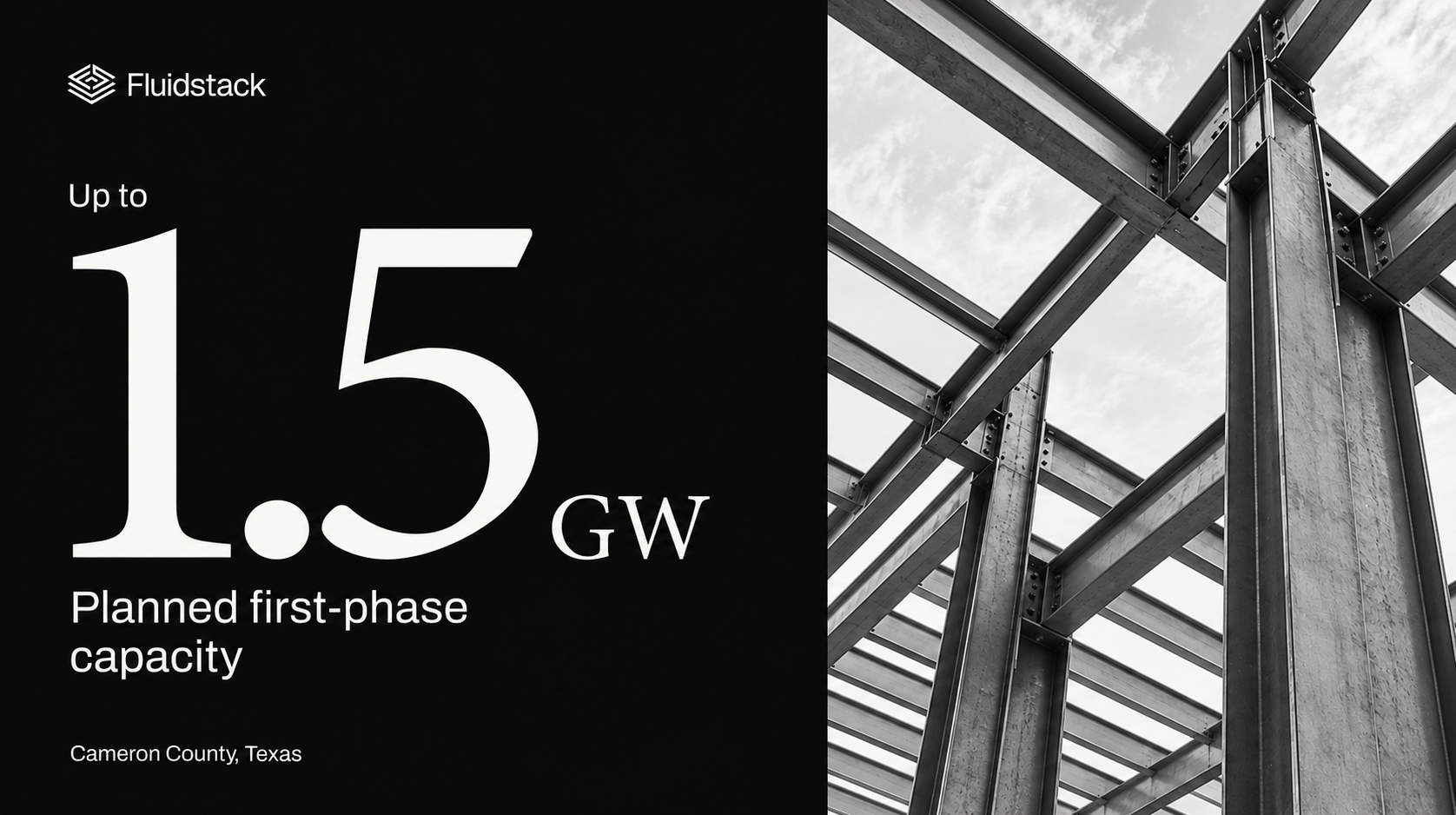
Fluidstack plans up to 1.5GW in its first phase on more than 1,100 acres, with completion targeted for mid-2028 and over 2,500 construction jobs expected.
Fluidstack says construction has begun on the $4 billion first phase of its Cameron County data center campus, bringing a major electrical, cooling and civil construction program to the Rio Grande Valley. Its September announcement puts planned first-phase capacity at up to 1.5GW.
The development sits near Rio Hondo, east of Valley International Airport and west of the Port of Harlingen. The developer describes a phased schedule beginning in fall 2026, with the first phase targeted for completion by mid-2028. Further phases remain under consideration.
Project at a Glance
- Developer:
- Fluidstack
- First-phase investment:
- Approximately $4 billion
- Planned first-phase capacity:
- Up to 1.5GW
- Site:
- More than 1,100 acres
- Delivery target:
- Mid-2028 for phase one
- Employment forecast:
- More than 2,500 construction jobs; several hundred permanent positions
- Current stage:
- Phase 1 — early site development
Phase 1 Begins With Site Infrastructure
Cameron County issued a worksite permit on September 10. The authorization covers land preparation and enabling infrastructure, including clearing, grading, utilities, access surfaces and stormwater facilities. Separate permits are required before construction of the data center buildings.
The distinction matters for understanding the current phase. Early site work can be underway while building-level design, procurement and approvals continue. The county notice establishes an enabling milestone, rather than permission to construct every proposed building at once.
Power and Cooling Shape the Construction Scope
Fluidstack names AEP Texas as its electricity provider and says it is developing on-site generation. The company says it will fund the infrastructure its campus needs. The 1.5GW figure describes planned capacity; it is not evidence of completed grid connections or operating data halls.
The developer proposes closed-loop cooling supplied by East Rio Hondo Water Supply Corporation. Its September statement allows water top-ups for maintenance and repairs. A recirculating system should not be described as requiring no additional water under any circumstances.
Delivery Team and Trade Opportunities
Fluidstack is the developer. The members-only Project Insight tracks the reported project participants, the general-contractor verification status and the distinction between site-work responsibilities and subsequent building packages.
TCH scope assessment: a campus of this type could support grading, drainage, underground utilities, concrete, structural steel, electrical distribution, cooling pipework, controls, fiber and commissioning packages. These are prospective areas of work, not confirmed open tenders. Building releases, power-delivery milestones and package procurement dates will determine when that opportunity becomes actionable.
A Phased Delivery Target
The company’s construction announcement is an early delivery milestone. The mid-2028 date is a phase-one target, not a guaranteed opening for every building across the site. Contractors evaluating the development still need package-level schedules and award information before treating the entire campus as committed work.
Location and Campus Delivery
The site’s position between the airport and port places it within the Harlingen–Rio Hondo industrial area. Developing more than 1,100 acres involves coordination across access routes, drainage, utility corridors and the plots reserved for buildings and supporting infrastructure.
TCH assessment: sequencing these shared systems is important because a later building may depend on infrastructure installed during the first phase. A campus completion headline does not reveal which roads, power feeds or cooling systems serve the first handover. Those interfaces are more useful to a trade contractor than acreage alone.
From Construction to Commissioning
The mid-2028 target leaves a sequence of milestones between today’s site development and an operational facility: building delivery, permanent power, equipment installation, integrated testing and phased handover. The developer has not published a building-by-building turnover schedule in the material reviewed.
For the local construction market, the employment forecast points to sustained activity across several disciplines. It remains a forecast for the development, not an advertised number of vacancies at a named subcontractor. Trade awards, workforce mobilization and procurement releases will provide a clearer measure of how that work is distributed.