
Inside Terafab’s Potential $119B Grimes County Buildout
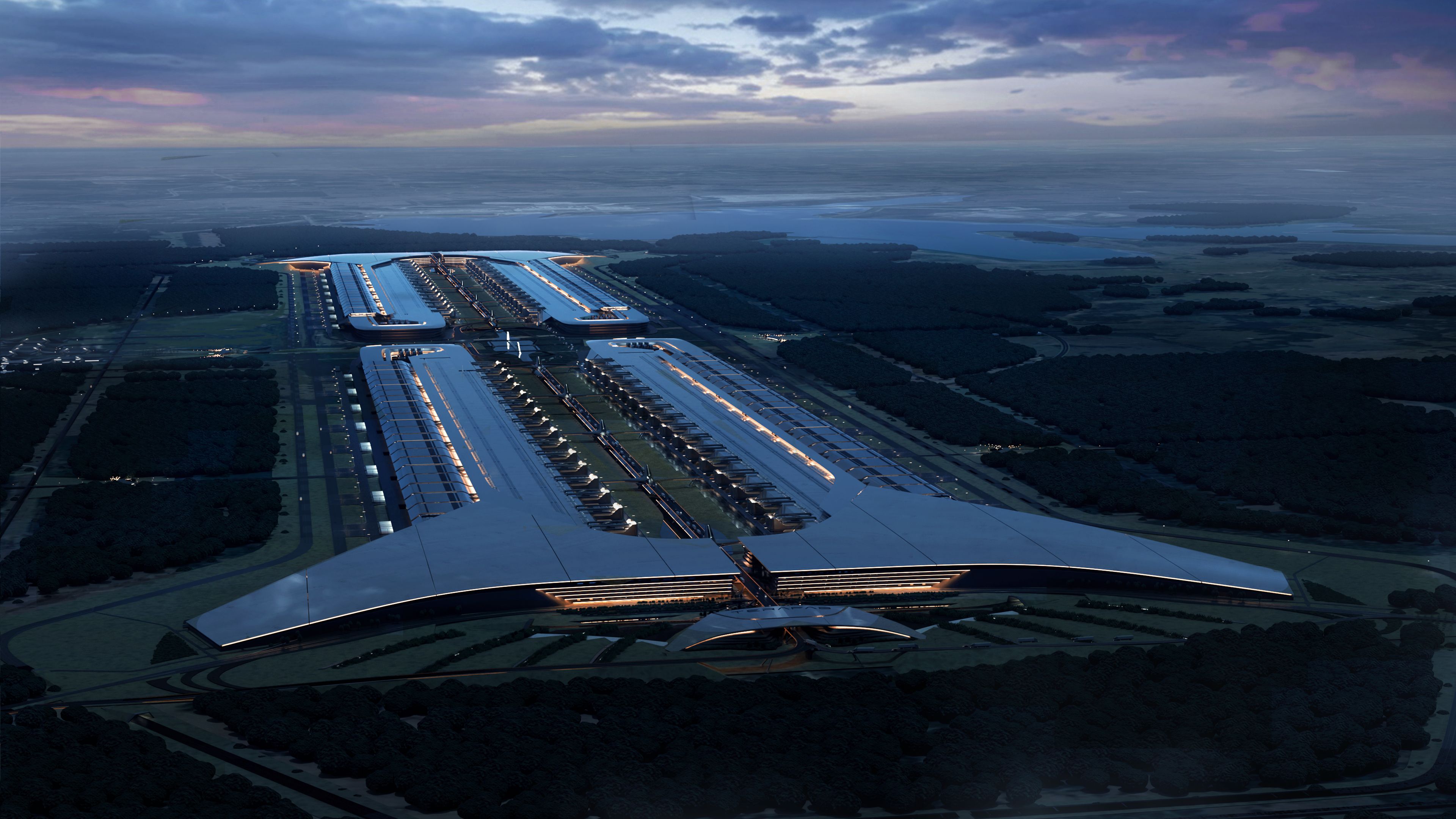
Public incentive records and current construction recruitment offer a closer view of the proposed semiconductor campus. This is a delivery-program update, not a new $119 billion investment announcement.
Terafab’s proposed Grimes County development involves more than semiconductor fabrication buildings. Public state records describe an integrated production campus, while Tesla’s current recruitment for construction roles provides a window into the work needed to turn the program into individual contracts.
The potential $119 billion total was already present in incentive material before this week. It should not be presented as a fresh commitment made in October. The useful update is the closer look at delivery scope and procurement responsibility, alongside continuing questions about which parts of the long-term program will proceed.
Project at a Glance
- Potential full program:
- Four phases / approximately $119 billion
- Phase-one filing window:
- 2026–2028
- Delivery focus:
- Fabrication and supporting infrastructure
- GC / construction manager:
- Not publicly confirmed
A phased program with different investment measures
The Phase 1 Anderson-Shiro application evaluates a 2026–2028 construction period and describes a wider four-phase plan. Other project documents address separate school-district areas and later phases. An incentive analysis for one portion of the site is therefore not a complete construction budget for the entire development.
The initial investment commitment and the potential full-program value are different measures. TCH is retaining that distinction rather than treating every dollar in a long-term scenario as an awarded construction contract. Later-phase timing depends on the development program actually advancing.
Infrastructure is part of the manufacturing system
The application’s project description links chip fabrication with packaging, integration, supporting generation and test functions. For construction planning, that means utility and production interfaces matter alongside the building area. A finished shell does not demonstrate that a fabrication line is ready to operate.
TCH’s assessment is that water systems, electrical distribution, cooling and specialist process services will need to be tracked as defined packages. Their capacity, redundancy and handover requirements must come from the actual engineering program. A high-level facility description does not establish a supplier or construction award for each system.
Recruitment exposes the procurement task
Tesla’s senior construction-project-manager vacancy for Terafab includes preparation of bid packages, evaluation of proposals, work with procurement on requests for proposals, and contract administration. A separate civil-engineering vacancy spans planning, design, bidding and construction.
These are direct indications of an internal construction and procurement function. They are not evidence that Tesla has been appointed as an external general contractor, nor do they identify the companies receiving civil or building-services packages. The distinction is particularly important when turning hiring activity into contractor intelligence.
Follow documented progress, phase by phase
The next useful updates will connect named delivery responsibilities with a specific part of the site and a dated scope. Field progress, procurement releases and commissioning plans should be recorded separately so that early site activity is not mistaken for the completion of a fabrication phase.
TCH is continuing to track Terafab as an existing project with an evolving delivery program. The scale warrants close attention, but a clear account of what is funded, contracted and physically underway is more useful than repeating the largest possible investment figure.
Explore the project overview, dated updates and delivery milestones in Project Insights.
Explore project insights →