
Amazon’s Wharton Data Center Clears Water-Permit Hurdle as Campus Takes Shape
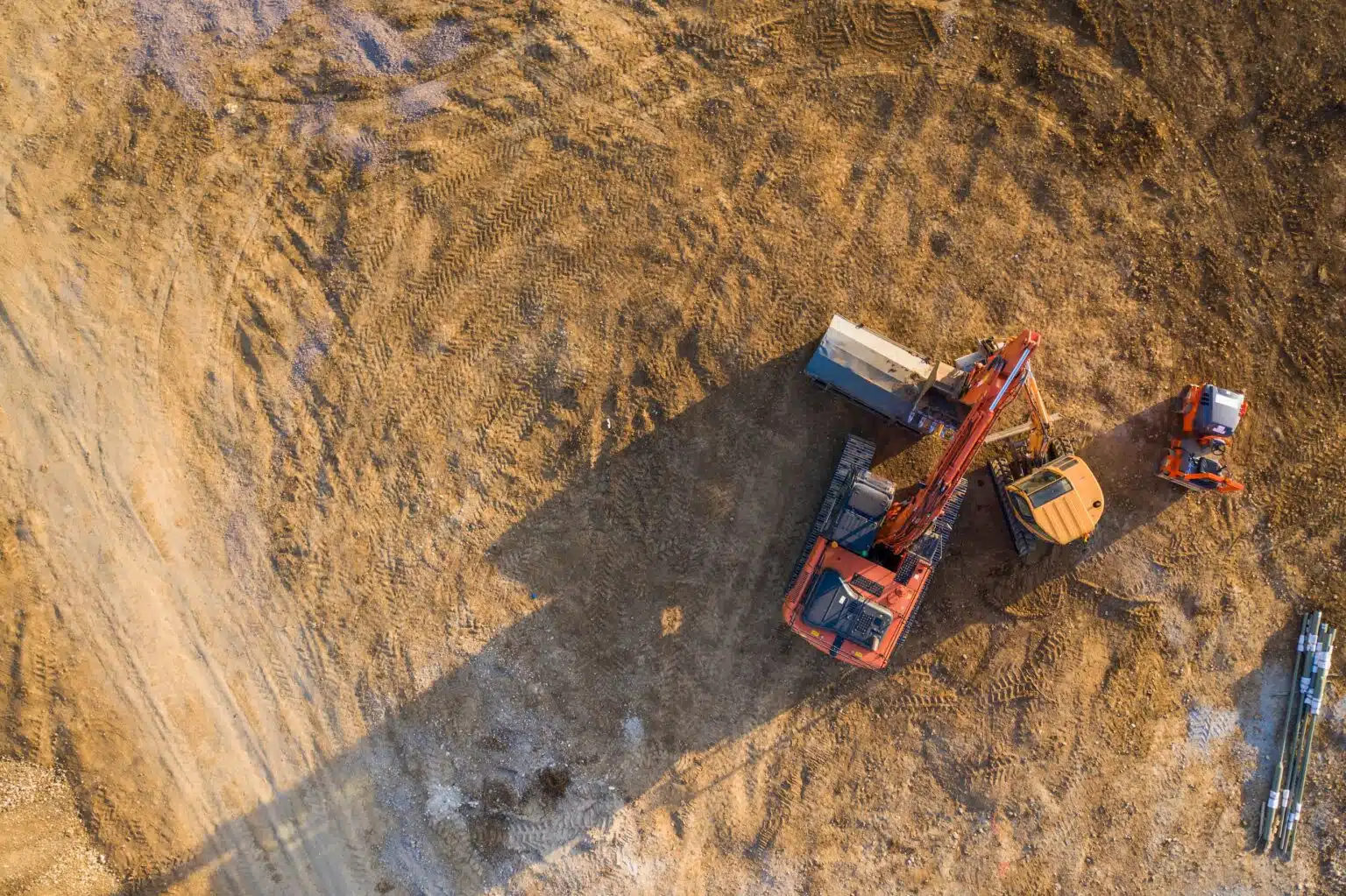
New reporting on groundwater approvals puts Project Eagle back in focus. Amazon now describes 13 planned buildings, with construction underway and no water cooling planned for those facilities.
Amazon’s planned data-center campus near Boling has cleared a contested groundwater-permit step, bringing renewed attention to the infrastructure needed to deliver one of Wharton County’s most significant construction programs. The Houston Chronicle reported October 2 that the Coastal Bend Groundwater Conservation District approved permits on September 8 allowing up to 78.2 million gallons from three wells over approximately two and a half years.
That is a permitted ceiling over a defined period, rather than an annual consumption forecast. The distinction matters because the development’s construction water, everyday building needs and potential future cooling requirements describe different demands. Treating them as a single number would give readers a misleading picture of the campus.
Amazon’s latest published description also changes how the project should be counted. The company identifies 13 planned buildings and says those buildings will not use water for cooling. Site preparation is underway, while the campus remains a phased development with further decisions still ahead.
Project at a Glance
- Location:
- Outside Boling, approximately 10 miles southeast of Wharton
- Current campus plan:
- 13 buildings, according to Amazon
- Reported permit ceiling:
- 78.2 million gallons over approximately 2½ years from three wells
- Building J filing:
- $300 million · 189,060 SF
- Current status:
- Site preparation and construction activity underway; phased development
A permit milestone with practical construction significance
For construction teams, dependable water access affects the execution of site works as well as the eventual use of completed buildings. Earthworks, dust management, temporary services and fire protection can create requirements before a data hall is ready to receive equipment. The latest approval is therefore relevant to delivery even where the operating cooling system does not consume water.
TCH’s assessment is that the permit step reduces one specific uncertainty around implementation. It does not settle every environmental question, approve every building package or establish an opening date. A large campus progresses through overlapping decisions on civil works, buildings, electrical infrastructure and operating systems. Each has its own evidence of readiness.
The practical questions now concern how permitted water use is measured, how the construction phases are sequenced and how the operator reports actual demand. A maximum allowance is useful for understanding the authorization; measured consumption will provide the evidence of what the development uses in practice.
Thirteen planned buildings, with individual filings beneath the headline
The current 13-building description comes from Amazon’s September 11 project update. It should take precedence over earlier reporting that counted a smaller selection of state registrations. A collection of filings can document particular packages without describing every part of the developer’s current master plan.
One verifiable example is the Project Eagle Building J registration at 237 Eaglewood Drive. That record lists 189,060 square feet, a $300 million estimated construction cost and a September 1, 2026–September 1, 2027 schedule. Those are the owner’s filed figures for that building, not a confirmed campus-wide completion commitment.
Multiplying a single building estimate by the number of planned buildings would not produce a reliable total investment figure. Different packages can include different equipment and site scopes; shared infrastructure can be recorded separately. Nor does a registration establish that every package has a construction notice to proceed. The most useful next disclosures would identify which buildings are actively being delivered and their individual handover milestones.
Cooling and groundwater need to be discussed separately
Amazon’s published position is explicit: the 13 buildings currently planned will not use water for cooling. The company describes approximately 16,000 gallons a day of potable demand for ordinary building needs. It is examining nonpotable options for possible future expansion, a separate question from the cooling approach for the current buildings.
In delivery terms, that distinction affects how readers assess utilities. A site can require wells, plumbing and fire-protection infrastructure without those wells supplying an evaporative cooling system. Equally, a statement about today’s planned buildings does not define the design of every possible future phase.
TCH will treat any later water-cooled expansion as a separate development requiring its own confirmed scope and supply arrangements. It would be premature to describe a future surface-water solution as a completed dependency for the present 13-building plan.
Power delivery remains another major workstream
Amazon says it is pursuing electricity supply through ERCOT and funding on-site substations, with no gas-fired power plant planned at the Wharton site. Its backup generators serve a different purpose from a primary generation station.
That makes the distinction between completed buildings and energized buildings especially important. A weather-tight shell can be a visible milestone while electrical connections, equipment integration and testing remain outstanding. The point at which a building can accept its intended load depends on more than the progress visible from the road.
For suppliers and construction businesses, the relevant opportunities may therefore arrive in several packages rather than one campus-wide award. Civil preparation, building construction, electrical installation and commissioning have different lead times and interfaces. This is a construction assessment, not confirmation that any particular unannounced procurement is currently open.
What Amazon’s local construction update establishes
The dedicated Wharton project website says construction is underway and provides a route for residents to send construction questions directly to the project team. Its public material also describes sound-dampening measures, screened equipment and buffers as part of the company’s approach to neighboring properties.
Those commitments have delivery implications: noise and screening requirements need to be reflected in equipment placement, site design and the finished installation. A drawing or policy statement is the starting point; completed works and operating performance are the later measures against which the commitments can be assessed.
The project website’s community fund is another visible local milestone, with applications running through October 19. That program is separate from construction expenditure and should not be added to a building contract value or treated as compensation for a particular infrastructure impact.
The wider water context
Wharton County sits within a wider lower Colorado River water-supply system that serves agricultural and other users. LCRA’s water-management work distinguishes supplies and operating rules across that system. Groundwater permissions and river-water arrangements are separate records, and one should not be used as evidence that the other has been secured.
That separation also matters when discussing conservation projects. A water-saving initiative elsewhere in a watershed may provide benefits, but it does not establish the pumping rate at a particular well or remove the need to comply with a local permit. Project coverage should follow both the promised benefits and the measurable operating requirements.
The milestones that will show delivery progress
The next useful indicators are building-specific construction updates, completed utility infrastructure, confirmed energization milestones and the first operational handovers. Any additional phase should be assessed against a revised site plan and its own permits, rather than assumed from the scale of the landholding.
Project Eagle’s current significance is concrete: an active construction site, a larger published building plan and another infrastructure authorization. Its ultimate delivery pace will become clearer through those individual milestones. For TCH readers, the opportunity is to follow the work as it moves from prepared land to completed, connected and operating facilities.