
Amazon's Proposed 1.2GW Nuclear-Powered Data Center Advances Through ERCOT Review
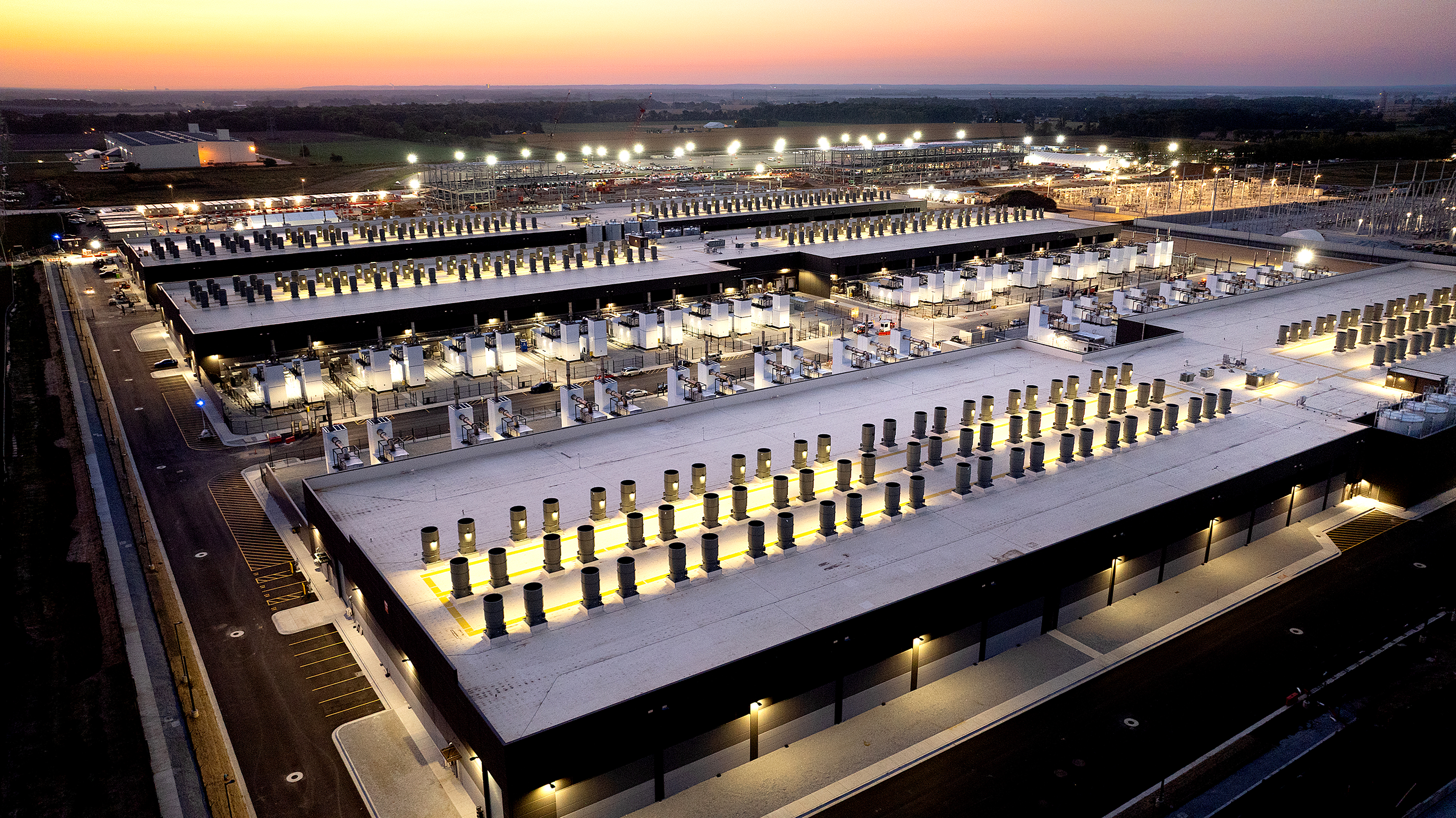
A proposed 1,200MW load linked to the existing Comanche Peak nuclear station has reached a reported ERCOT recommendation, putting the power arrangement ahead of still-unconfirmed campus construction details.
Amazon Data Services’ proposed data center in Somervell County is moving through a power review that could reshape how a large industrial customer uses electricity from an existing nuclear station. The Texas Dispatch reports that ERCOT recommended the Comanche Peak arrangement on October 13; a final Public Utility Commission of Texas decision remains pending.
The reported ramp starts at 100MW in late 2027 and reaches 1,200MW in late 2031. Those figures describe planned electricity demand, not the budget or floor area of a construction project. No verified building-by-building delivery schedule has been established.
Project at a Glance
- Proposed demand:
- Up to 1,200MW
- Reported first energization:
- 100MW in late 2027
- Reported full-load target:
- Late 2031
- Status:
- ERCOT recommendation reported; final PUCT decision pending
An existing nuclear station, rather than a new reactor
Comanche Peak is a two-unit, 2,400MW nuclear station operated by Vistra’s Luminant business. Vistra announced in July 2024 that the Nuclear Regulatory Commission had extended its operating licenses through 2053. The proposed 1,200MW customer load would therefore be equivalent to half the station’s stated capacity, although that comparison does not establish a dedicated physical connection to one particular reactor.
The distinction matters for construction coverage. Extending a generating station’s operating life and connecting a data center are separate undertakings. Neither the license renewal nor the proposed power arrangement establishes that a new nuclear generating unit is being built for Amazon.
What the electricity review is examining
The Dispatch describes a behind-the-meter proposal governed by a state approval process. It reports that an initial transmission assessment identified upgrades above 800MW, while later analysis allowed those upgrades to be dropped by changing generator dispatch. ERCOT reportedly recommended emergency-curtailment conditions, and the publication calculates a commission decision deadline around December 12.
Those details remain attributed to the publication: the linked ERCOT filings could not be retrieved for independent inspection. A recommendation should not be described as the final order, and any final conditions will need to be checked against the commission’s decision.
Why the phased ramp matters to delivery
A staged electricity requirement gives construction readers a useful indication of intended sequencing, but not a complete construction program. The earliest energization point and the ultimate full-load target are different milestones. Bringing the first capacity into service would not, by itself, mean that every future data hall or supporting system was complete.
For a development of this type, the relationship between electrical availability and building readiness is central. Equipment installation, testing and commissioning must be coordinated with the power that can actually be supplied. The published demand ramp alone does not reveal how those activities would be divided among buildings or contracts. It would be premature to infer the number of phases from the capacity figures.
The construction information still needed
A dependable campus overview requires a confirmed site plan, registered or permitted building scope, a construction value tied to that scope, and a dated delivery program. The reviewed material does not establish those details or identify a verified general contractor and installing trade team for the proposed Amazon campus.
The next useful evidence will be the commission’s final treatment of the power request, followed by owner announcements and project-specific construction records. Those records can distinguish a power-access milestone from procurement, mobilization, building completion and operational handover. Until then, the project belongs in the proposed-development pipeline, with the ERCOT recommendation clearly separated from authorization to start any particular building package.