
$919M LITEON Manufacturing Campus Advances in McKinney
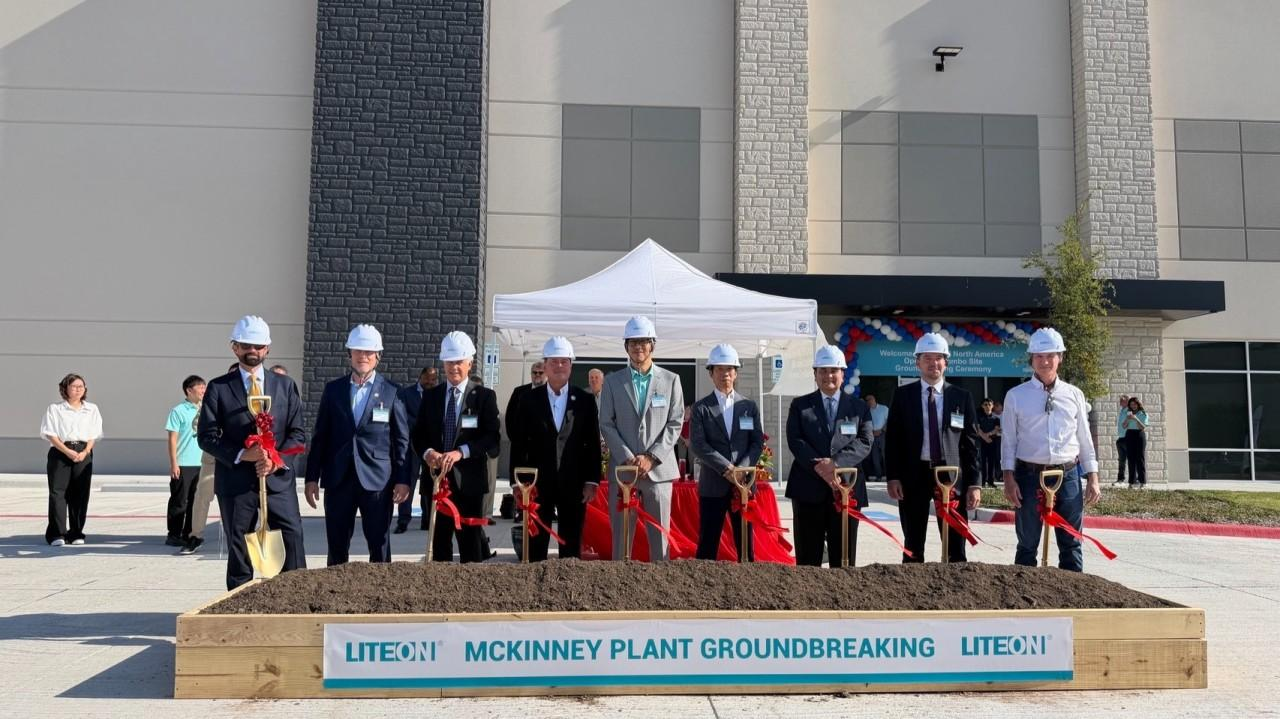
Building E is being adapted for manufacturing within a wider investment program. Its $90 million state registration covers a renovation, not the entire campus.
LITEON’s North American manufacturing campus in McKinney is moving through a substantial conversion of existing industrial space. The wider $919 million investment combines property, manufacturing capacity and specialized equipment; it should not be read as the value of a single building contract.
The immediate construction focus is Building E at 310 Cypress Hill Drive. The Project Ranger registration describes a $90 million renovation covering approximately 488,350 square feet, with offices, assembly-line areas, warehouse accommodation and additional parking. That registered work area is slightly smaller than the building’s reported overall area of 492,368 square feet.
Project at a Glance
- Campus investment:
- $919 million
- Building E reported area:
- 492,368 sq ft
- Registered renovation scope:
- 488,350 sq ft; $90 million
- Filed schedule:
- September 15, 2026–August 31, 2027
- Employment target:
- At least 600 permanent jobs
Checking your membership…
An existing logistics campus becomes manufacturing space
McKinney announced LITEON’s selection in July. The company acquired two existing buildings totaling more than 650,000 square feet at the Core5 Logistics Center, rather than starting the entire campus from an undeveloped site. McKinney Economic Development Corporation subsequently announced a ceremonial groundbreaking on September 3 to mark the buildout and equipment-installation stage.
That distinction matters for the construction story. Converting logistics space into a manufacturing operation can involve substantial work inside an existing shell. Administrative, production and storage functions must be accommodated alongside the facility’s building services and site circulation. The registration identifies those broad functions, but does not publish a complete trade-package breakdown.
Separate figures describe separate scopes
October 25 reporting also cites $140 million in issued permits. That reported permit figure has not been independently reconciled with the $90 million TDLR renovation estimate. They should remain separately attributed, not added together or presented as interchangeable totals.
The state record schedules work from September 15, 2026, to August 31, 2027. These are filed dates rather than an independently verified completion commitment. The official September buildout announcement supports the project’s active status; the registration alone would not prove that construction had started.
What comes next
The campus is expected to support at least 600 permanent jobs over several years. That is an operating-employment target, not a count of workers currently on the construction site.
The next useful milestones are progress on the interior conversion, equipment installation and a confirmed operating schedule. The general contractor and installing electrical and mechanical firms have not been independently established for this update. Design information is available in the member construction-intelligence section.