Project overview
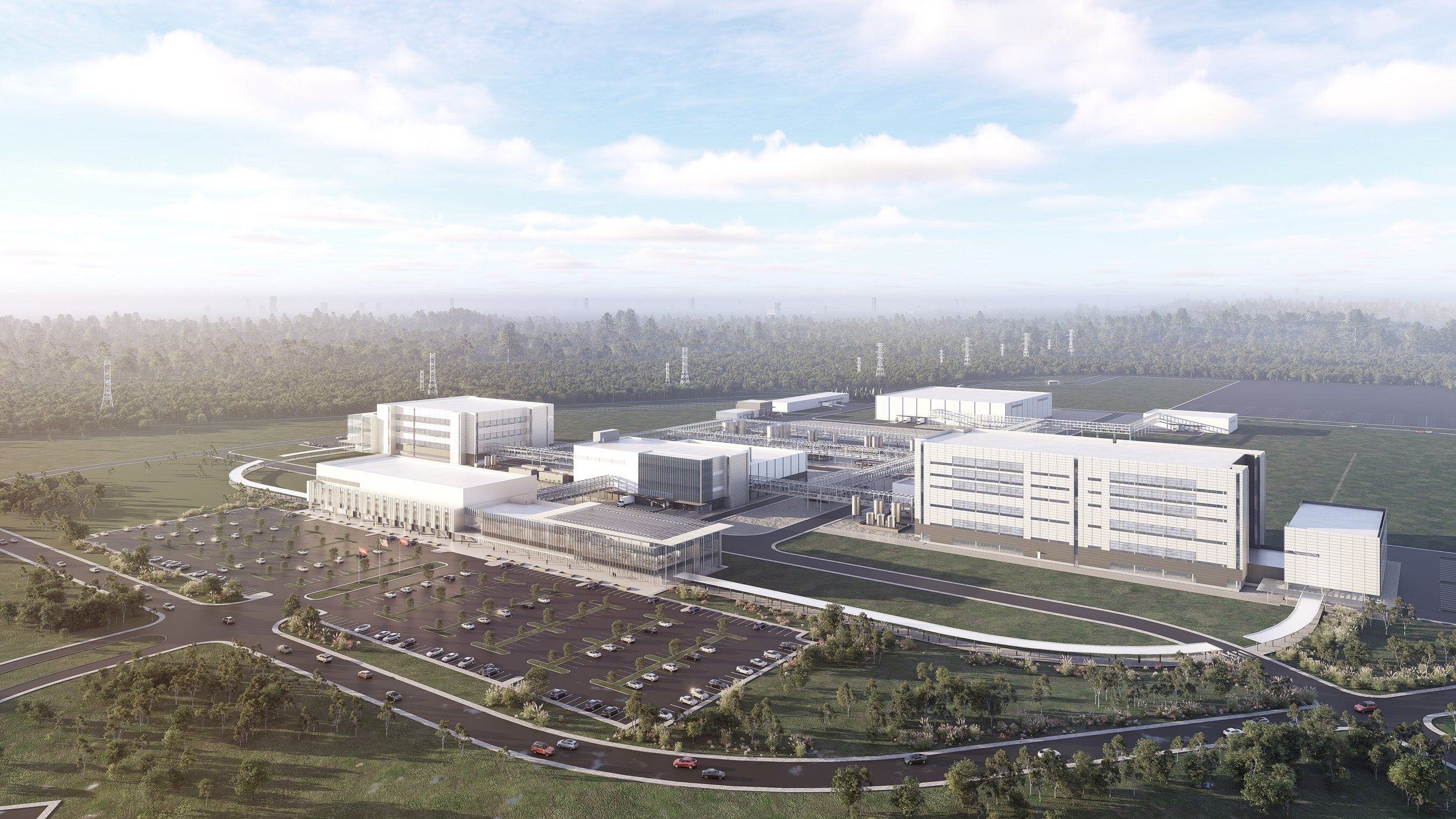
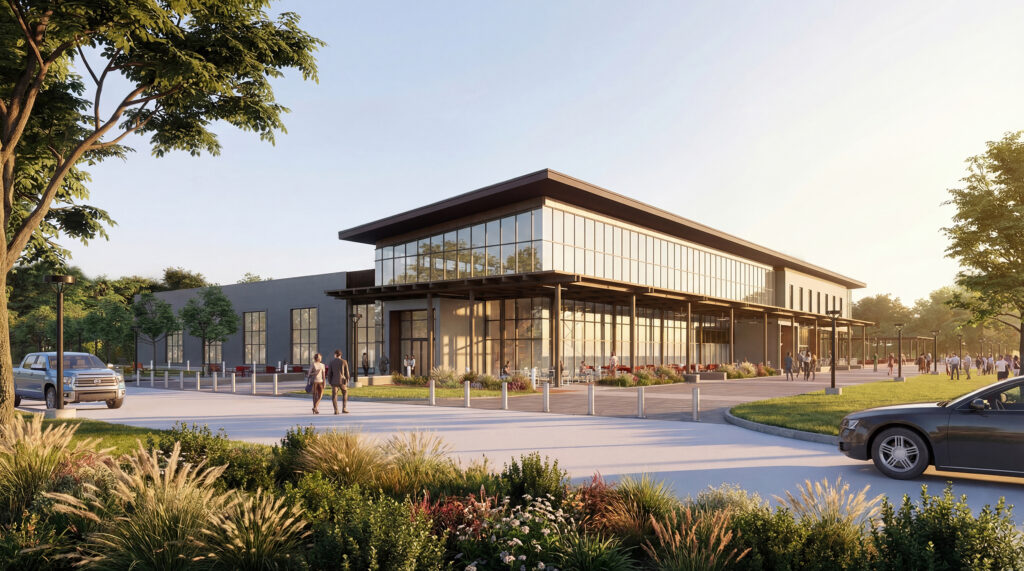
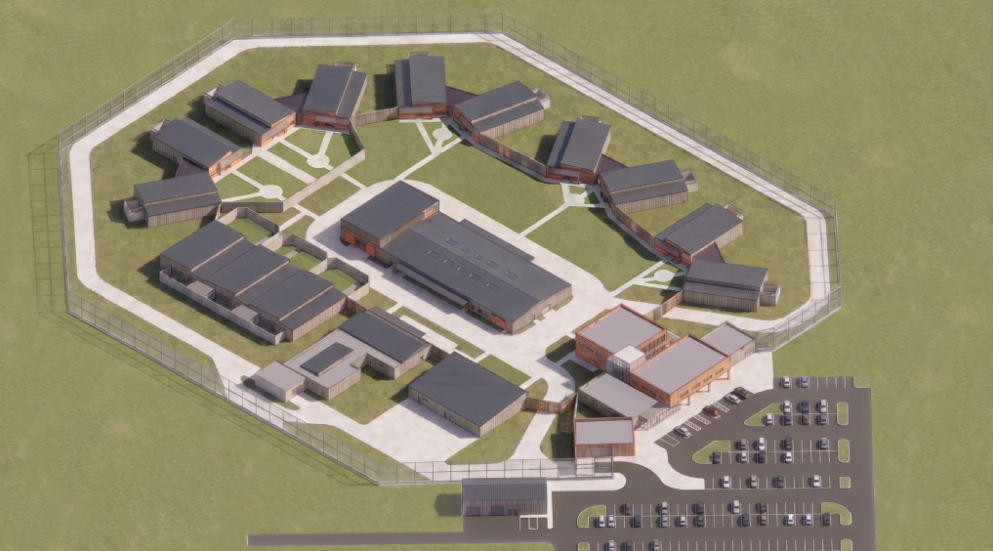
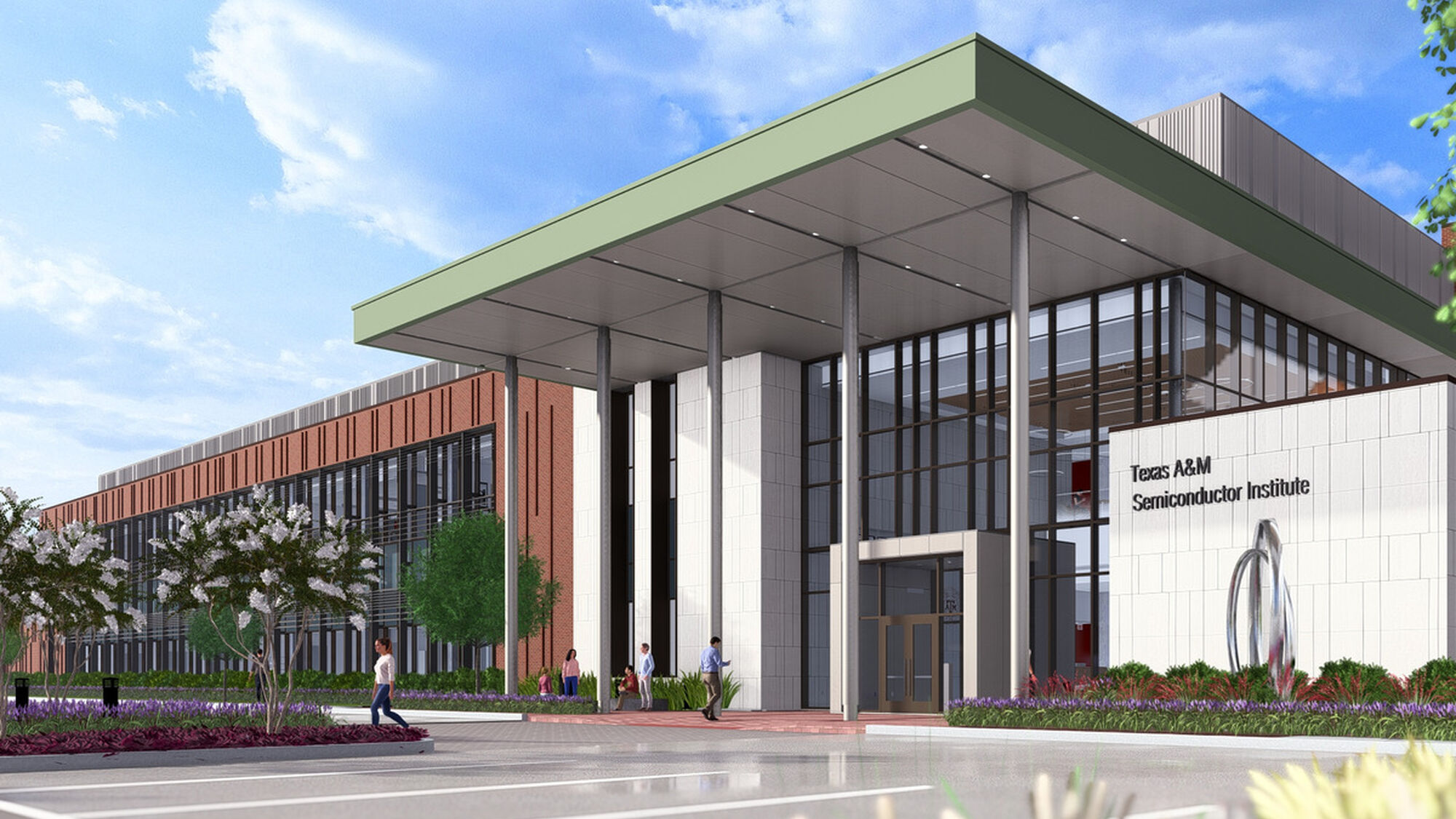
The Texas A&M Semiconductor Institute is being developed at the Texas A&M–RELLIS campus in Bryan as a research and workforce-training facility. The approximately 73,000-square-foot, two-story building combines specialist laboratory and cleanroom spaces with the supporting services needed for semiconductor development.
The broader approved program is approximately $205.5 million. That total extends beyond the institute building to water infrastructure serving the growing campus. Building construction began in March 2026, with substantial completion targeted for January 2028 and occupancy planned for May 2028.
Latest updates
Construction timeline, from announcement through delivery. Filed dates and future targets are labeled separately from confirmed events. Reviewed September 29, 2026.
2023
Institute established
Texas A&M establishes the Semiconductor Institute to support semiconductor research, industry collaboration and workforce development.
2025
Delivery team identified
University procurement documents identify Vaughn Construction and Stantec for the institute project.
March 2026
Building construction begins
The university’s later program update records the start of institute construction in March.
April 2026
Groundbreaking milestone
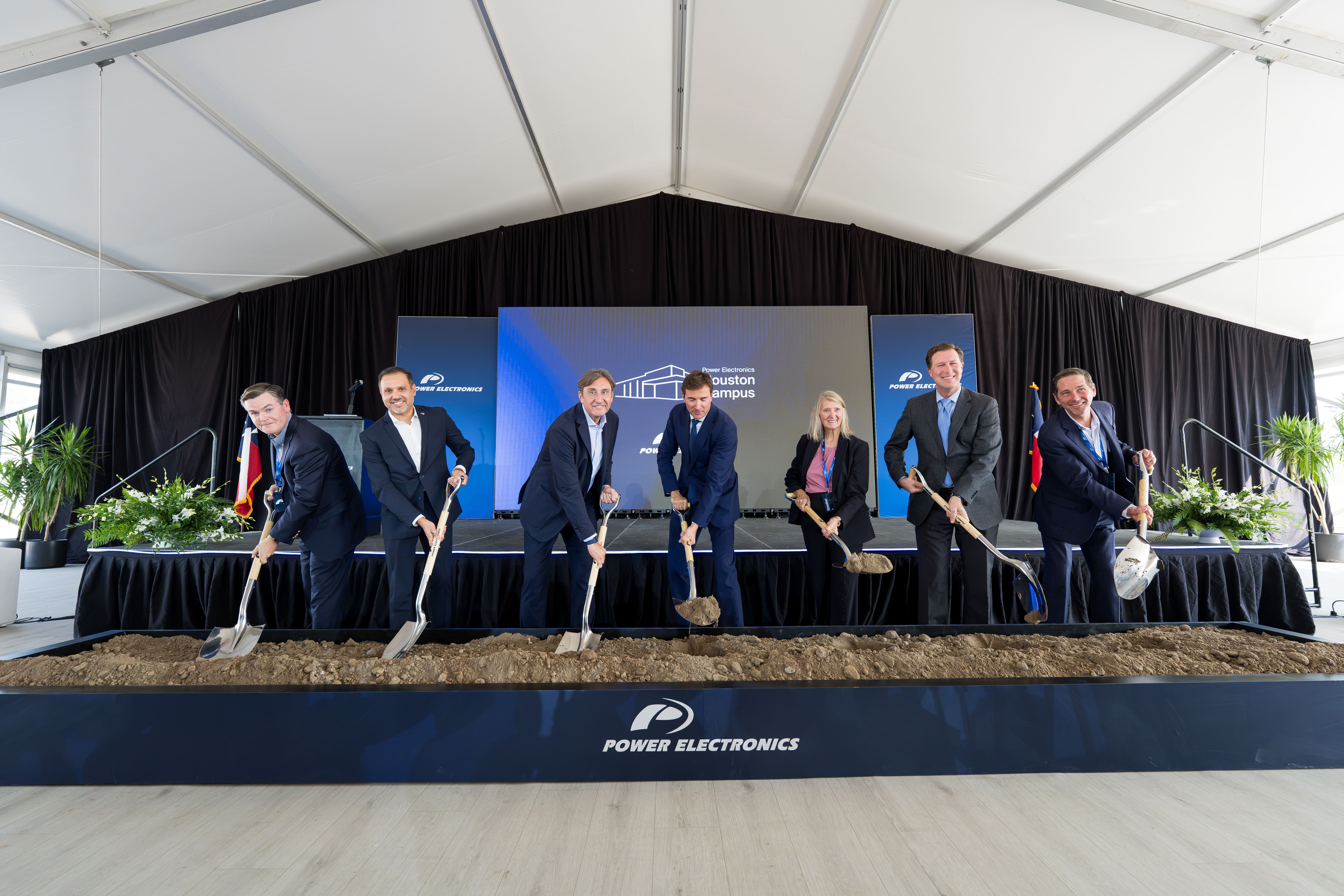
The project team marks the start of the new research facility; engineering partner AEI reports the ceremony on April 23.
September 3, 2026
Water tower advances
Regents advance a one-million-gallon water tower supporting the institute and wider RELLIS campus. The tower is targeted for a September construction start.
January 2028 target
Building substantial completion
Current university scheduling targets substantial completion of the institute building in January.
March 2028 target
Water tower substantial completion
The water tower has a separate March 2028 substantial-completion target.
May 2028 target
Institute occupancy
Occupancy is planned after building completion and the intervening preparation period.
Project team
General Contractor: Vaughn Construction. Architect: Stantec Architecture. Engineering: Affiliated Engineers, Inc. Trade partner: ACO Mechanical.
AEI describes a role covering mechanical, electrical, plumbing, fire protection and process engineering. ACO Mechanical identifies underground thermal piping and central utility plant expansion among its responsibilities.
Inside the institute
The design brings together cleanroom, lithography and advanced research environments. Semiconductor work needs close control of the physical environment, including vibration and building services, making the facility more technically demanding than a conventional teaching building.
AEI describes reconfigurable spaces intended to accommodate changing research needs. The building is designed to support research, training and collaboration as semiconductor technologies and equipment evolve.
Mechanical and utility infrastructure
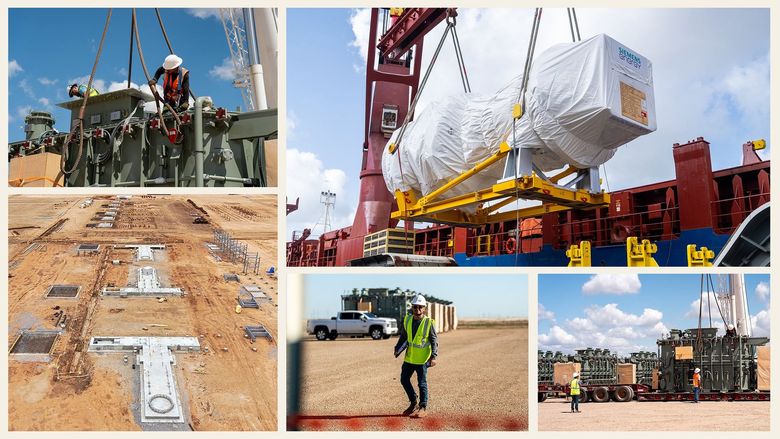
ACO Mechanical’s scope includes underground thermal piping and participation in expansion of the existing central utility plant. It identifies chillers, cooling towers, pumps and boilers as part of that work.
Those services are essential to the research building’s operating environment. The utility work connects the new facility with campus infrastructure and should be followed alongside the building’s architectural and laboratory fit-out milestones.
Understanding the investment
The university’s September program breakdown assigns approximately $177.95 million to the building and storm drainage, $11.755 million to the new water tower and $15.8 million to a water well expected to return for a later approval. These components explain the approximately $205.5 million overall program.
The $144.9 million state construction filing describes a particular construction scope. It is not an additional amount to add to the broader program total. Likewise, the water well’s inclusion in the program should not be read as confirmation of a construction award.
Water capacity for a growing campus
The proposed one-million-gallon tower would replace a 300,000-gallon facility. Texas A&M says the work addresses campus pressure needs and supports fire protection, irrigation and further development.
The tower’s March 2028 target is separate from the building’s January milestone. Tracking those packages individually gives a clearer view of the dependencies leading to planned May occupancy.
What to watch next
- Building progress toward the January 2028 substantial-completion target.
- Laboratory installation, equipment integration and readiness for May 2028 occupancy.
- Delivery of the separate water tower and subsequent decisions on the proposed well.