
Federal Government Plans Support for Delek’s Tyler Refinery Expansion
A federal policy announcement points toward additional fuel production, with investment, construction scope and delivery dates still to be defined.
The federal administration plans to use the Defense Production Act to support expansion of Delek US Holdings’ Tyler refinery, Reuters reported October 13. The stated objective is to increase production of commercial and military-grade fuels. The announcement brings an established East Texas industrial facility into a broader discussion about domestic fuel supply.
The report does not provide an expansion budget, a construction start or an opening date. It also does not establish an engineering, procurement and construction award. At this stage, the development is a federal policy announcement concerning an existing refinery.
Project at a Glance
- Facility:
- Delek US Tyler refinery
- Federal mechanism:
- Defense Production Act
- Expansion investment:
- Not disclosed
An operating facility with an undefined expansion scope
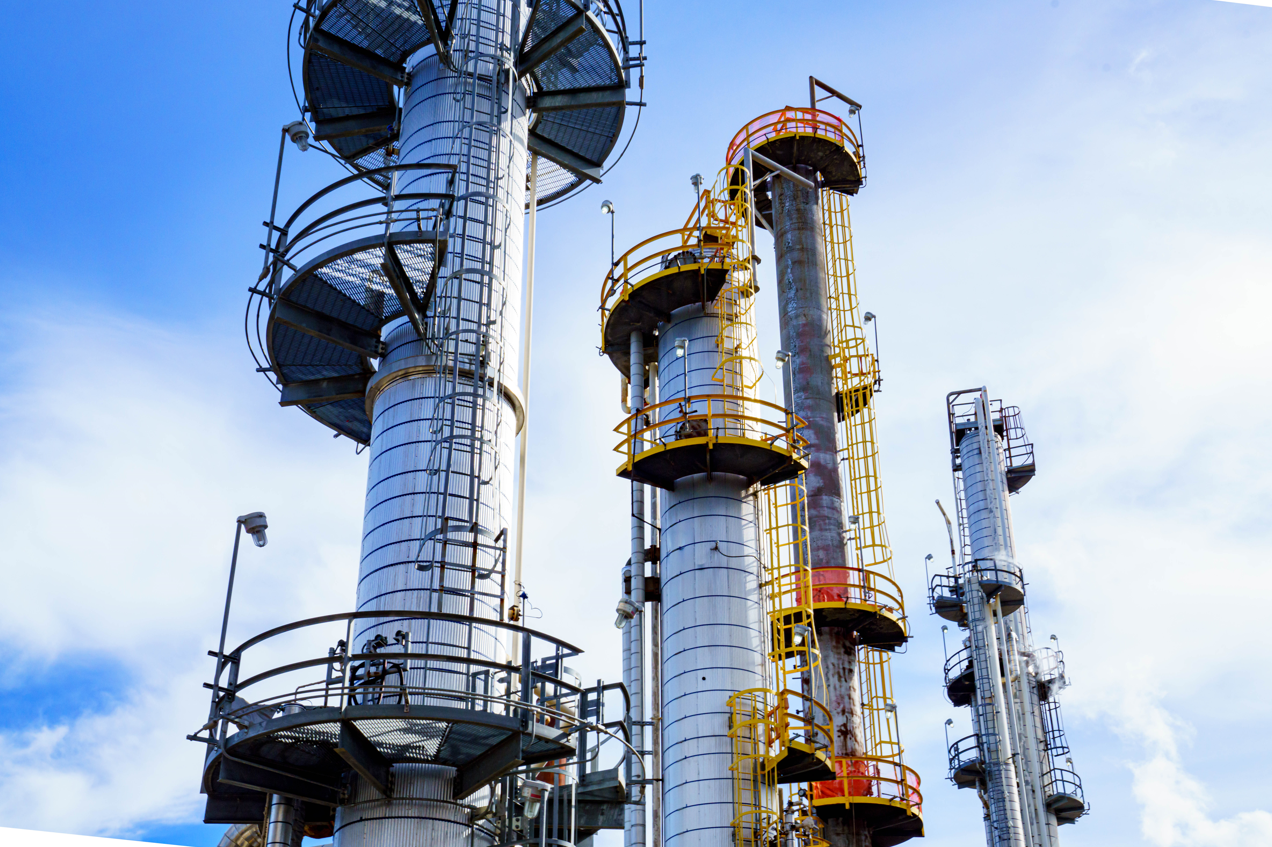
Delek’s refining business includes the Tyler plant, which produces fuels and other petroleum products. An expansion at an operating industrial site can take several forms, from additions to process capacity to modifications of supporting systems. The current announcement does not identify which units or utilities would be changed.
That missing scope matters when assessing construction demand. A capacity objective alone cannot establish the volume of concrete, piping, electrical work or equipment installation involved. Those requirements depend on the selected process design and how the expansion connects to the existing facility.
Tyler’s place in Delek’s Texas operations
Delek’s company information dates the Tyler refinery to 1934 and its acquisition by Delek to 2004. The facility produces gasoline, distillates, petroleum coke and LPG, serving markets in northeast Texas. The proposed expansion therefore concerns an established industrial operation with an existing role in the regional fuel supply chain.
The company also operates a refinery at Big Spring. Those Texas assets form part of a four-refinery inland system with stated combined crude throughput capacity of 302,000 barrels per day. That system-wide capacity is background to Delek’s business, not the capacity of Tyler or the volume of additional production contemplated by the federal announcement.
An expansion can affect more than the principal process unit
Increasing production can require consideration of feedstock handling, intermediate storage, utilities and the movement of finished products, as well as the process equipment itself. Which of those systems needs additional work depends on the chosen project design and the constraints of the existing plant. The current announcement does not identify that engineering scope.
This makes a defined capital plan the next important construction document. It would establish whether the proposal focuses on a particular unit, a broader set of modifications or supporting infrastructure. Once that is clear, the work can be assessed against a realistic procurement and outage strategy. Until then, assigning a specific construction value to the federal support would go beyond the information released.
What moves this from policy to a construction program
The most useful next disclosures would identify the form of federal support, the approved capital program and the facilities included. A project schedule would then need to distinguish design and approvals from field construction and commissioning.
Work within an operating refinery also has interfaces with the existing plant’s production schedule. Whether an expansion requires an outage or can be developed largely outside operating units is not yet established here. Until the company releases those details, the announcement should be tracked as a potentially important industrial-development catalyst rather than a bid-ready package.