
Karahan and KDC Target 11 Million SF of Corporate Development at Fields
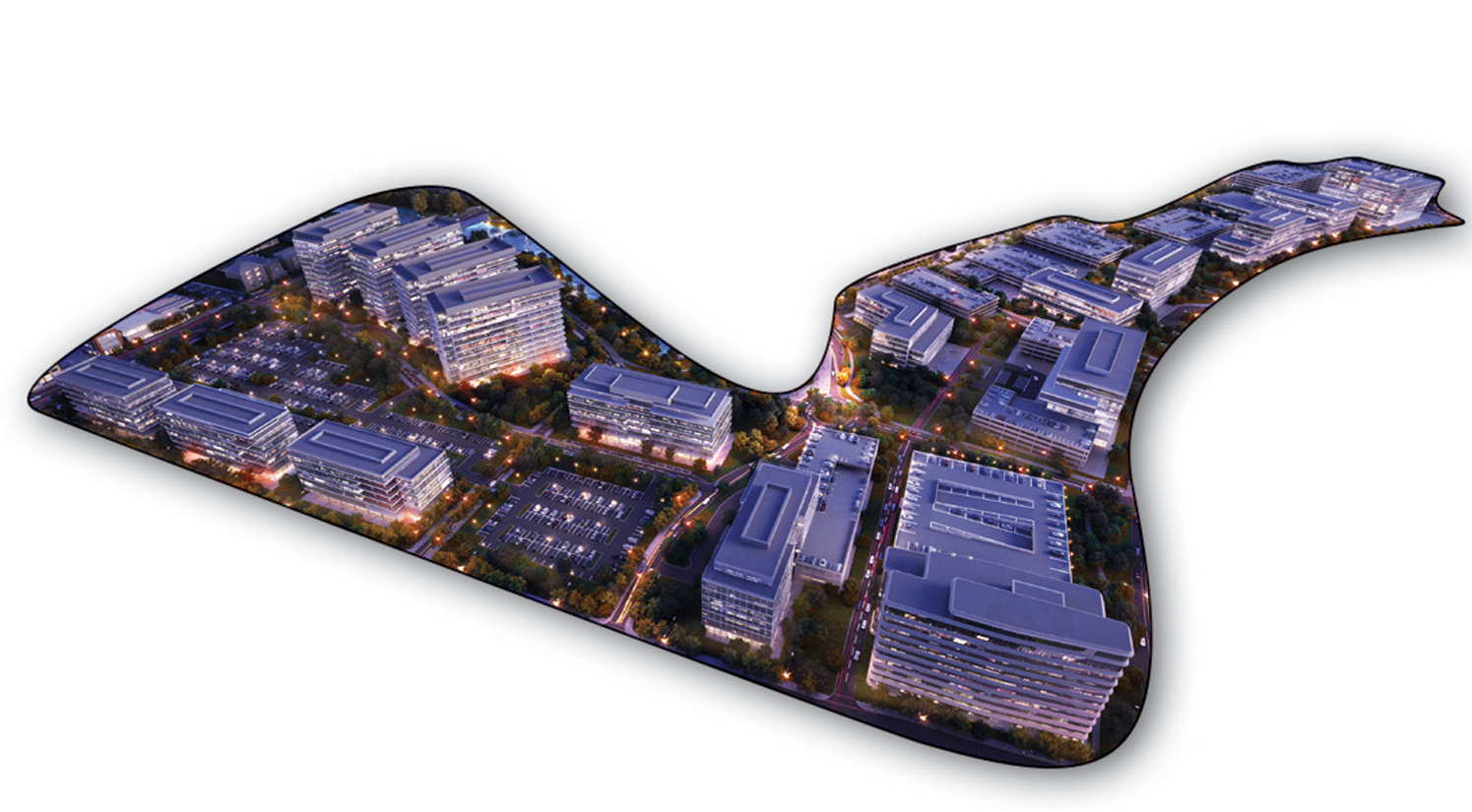
The partners are positioning the Frisco development for corporate campuses and build-to-suit offices, with individual projects still dependent on tenant commitments.
The Karahan Companies and KDC have joined forces to pursue a corporate office hub at Fields in Frisco, identifying potential for approximately 11 million square feet of development. The initiative targets corporate campuses and build-to-suit projects within the larger Fields community.
The owner’s announcement was issued October 2 and posted to the Fields website October 8. It describes a development platform rather than one fully committed 11-million-square-foot construction project. Individual tenants, buildings and delivery programs will determine how much of that potential becomes construction.
Project at a Glance
- Potential office development:
- 11 million square feet
- Master development:
- Fields, approximately 2,545 acres
- Development partners:
- Karahan Companies and KDC
A partnership built around corporate demand
The partners previously worked together at Legacy West, giving the Fields initiative an established corporate-development background. Their new announcement positions the site as a location where large employers can shape workplaces around their own requirements.
Build-to-suit development links the building program to a particular occupier. That can influence floorplate size, parking, employee amenities and infrastructure requirements. It also means the master-plan capacity should not be converted into a construction timetable before those tenant-specific decisions are made.
Two office settings within the larger Fields development
Fields’ office materials distinguish North Fields from Fields West. North Fields lies north of the PGA of America headquarters along the Highway 380 corridor and is positioned for major corporate occupiers. Fields West is described as a 55-acre mixed-use urban village with potential for up to 2.8 million square feet of Class A offices.
These are components of the wider opportunity, not additional square footage to be added automatically to the 11-million-square-foot headline. The distinction also shows that the initiative can accommodate different office formats: a large employer-led campus and space within a walkable mixed-use setting do not require the same site or building arrangement.
Tenant decisions will determine the order of development
A corporate occupier’s requirements influence more than the amount of office space. The number of employees, the balance between dedicated and shared amenities, parking arrangements and the desired move-in sequence all affect the physical program. A build-to-suit agreement can turn those requirements into a defined project within the broader master plan.
For construction planning, that makes the first committed buildings more informative than the maximum potential floor area. Early phases can establish roads, utilities and shared spaces that later projects use, while later occupiers may need their own modifications. The partnership announcement creates a platform for that work, with tenant-level decisions determining the eventual mix and pace of construction.
From master-plan capacity to individual projects
Fields covers approximately 2,545 acres, but the office opportunity represents one part of a wider development. The announced square footage describes potential corporate space; it does not establish a single contract value or a confirmed start date for all buildings.
The next construction-relevant milestones would include an identified occupier, a defined site and building program, and an approved delivery schedule. A named tenant commitment could bring a particular campus into focus while leaving the remaining office capacity as a longer-term opportunity.
For the North Texas market, the announcement adds a substantial source of possible future corporate work. Its near-term significance will be measured through individual projects rather than the largest number in the master plan.