
396-Unit Kent Development Adds Austin Building-Permit Milestone
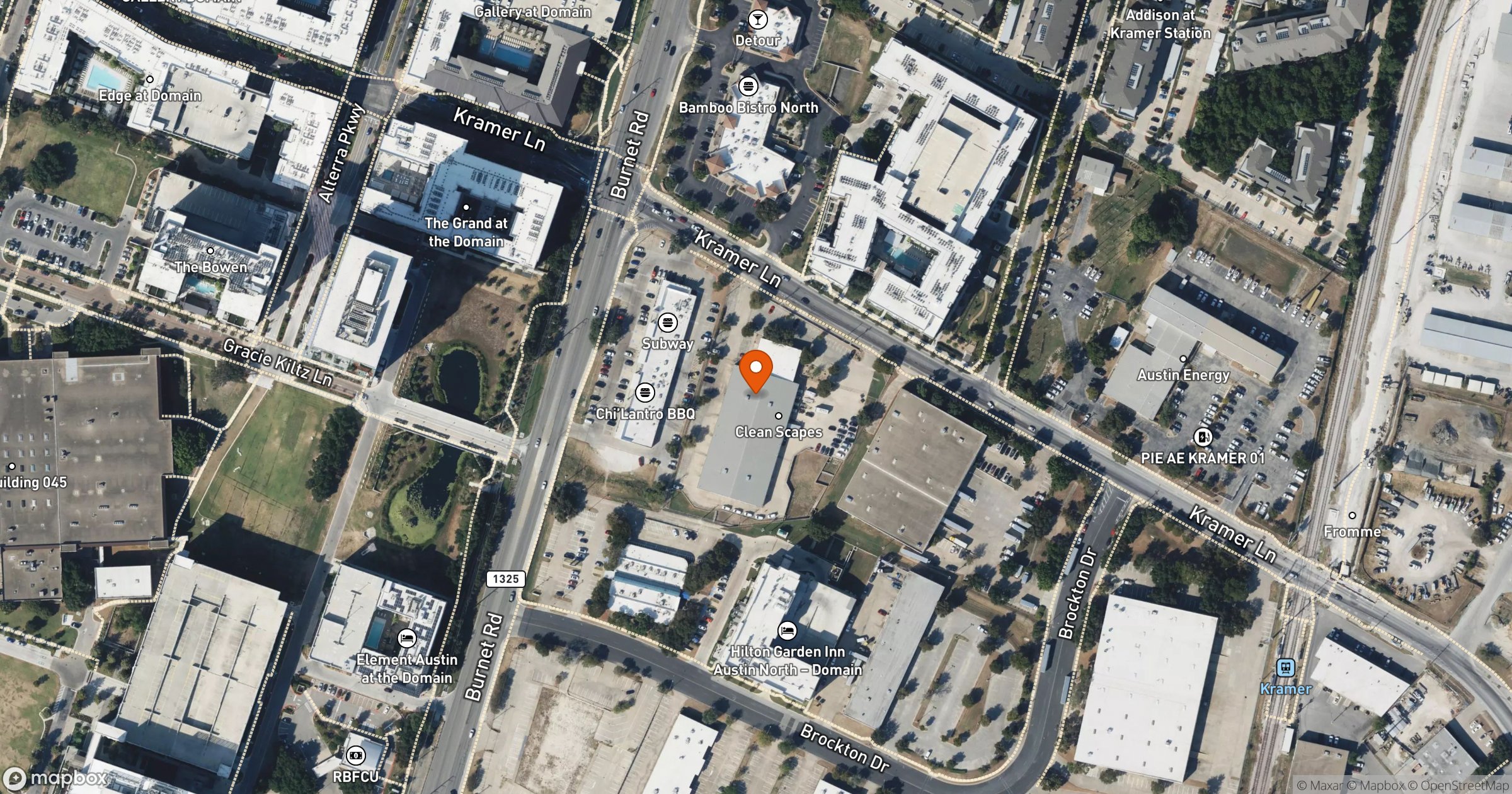
The Kramer Lane project has moved beyond its August groundbreaking announcement, with permits providing further definition for its residential and parking program.
Building-permit reporting has added detail to The Kent, HPI’s 396-unit multifamily development on Kramer Lane in North Austin. The project was announced as having broken ground in August; the October update concerns the building-permit record rather than a second groundbreaking.
The roughly 2.9-acre site is planned around a multilevel residential building and structured parking. Reporting describes five residential levels above three parking levels, including one underground, and approximately 381,403 square feet.
Project at a Glance
- Developer:
- HPI
- Address:
- 2631 Kramer Lane
- Homes:
- 396 apartments
- Delivery target:
- Mid-2029
Checking your membership…
Do not multiply repeated permit estimates
The permit account divides the homes into groups of 159, 111, 109 and 17. Repeated $48 million values in the reported records should not be added together to manufacture a $192 million development budget. They require a scope-level reconciliation before any combined figure is dependable.
HPI’s separately reported $20 million equity contribution is also not the total construction cost. Equity, filed estimates and an eventual contractor agreement measure different parts of a development’s finances.
Delivery remains a multi-year program
Project announcements target completion in mid-2029. That remains an anticipated delivery window rather than a guaranteed occupancy date. The construction and design appointments provide more useful near-term detail than an unsupported aggregate cost.
The underground parking and constrained urban site make excavation, structure and construction access important early milestones. Later updates should connect those milestones with the schedule for first-unit turnover.
Read the permits as a coordinated set
The reported permit subdivisions add up to the 396-home program, but they do not necessarily describe four independent construction starts. Common parking, circulation and services can bind separate records into one delivery sequence. The project schedule should make those dependencies clear.
For readers following procurement, the important distinction is between administrative divisions and scopes actually released to builders. Changes in the permit record may sharpen a project’s dimensions without announcing a new trade appointment or increasing its budget.