
Loop 1604 Work Brings Ramp Changes at Bulverde and Redland
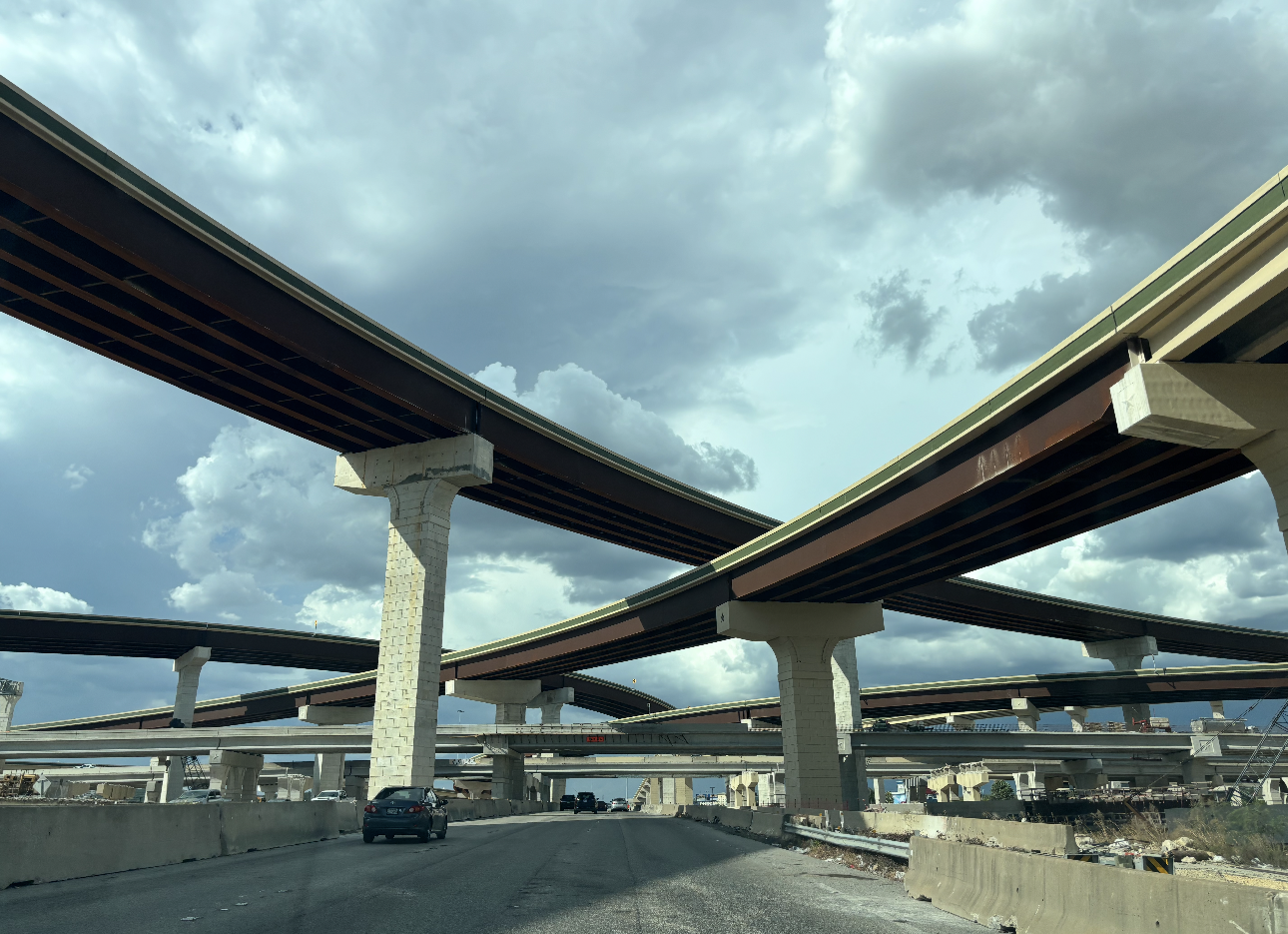
An overnight staging change forms part of the wider North Expansion program. The announced reopening target still needs confirmation from the latest traffic notice.
The Loop 1604 North Expansion reached another planned traffic-staging change on October 11, with westbound entrance ramps at Bulverde and Redland roads scheduled to close while temporary access was prepared. Reporting placed the target for the temporary arrangement at approximately 5 a.m. October 12.
That target is not confirmation that the ramps reopened on time. Drivers and delivery teams should rely on the latest traffic notice for the operating configuration.
Project at a Glance
- Program:
- Loop 1604 North Expansion
- Affected ramps:
- Westbound at Bulverde and Redland roads
- Announced closure:
- Evening of October 11
- Temporary ramp target:
- Approximately 5 a.m. October 12
One stage within a larger program
The work belongs to the approximately $1.4 billion, 23-mile North Expansion program. That overall value is not the cost of the ramp change, and the notice does not identify a newly awarded prime contract.
Traffic switches are consequential construction milestones even when they add no new budget. They can release work areas, alter haul access and change how crews and the public move around an active site.
Keep logistics current
Construction logistics should follow the live traffic configuration rather than an earlier announced switch date. A temporary ramp can change delivery routes before permanent improvements are complete.
The next useful update is confirmation of the operating arrangement and any further staged changes. This report records the announced work sequence; it does not substitute for a real-time road-conditions service.
Temporary access is part of the work sequence
The planned ramp switch is a practical interface between highway construction and the traveling public. Contractors and suppliers need to understand both the access available to the site and the routes maintained for ordinary traffic. An overnight switch can alter those arrangements before the wider segment is complete.
Follow-up reporting should identify the configuration actually opened and the next planned traffic phase. An earlier target time is useful context, but it is not a substitute for confirmation that the change occurred.