
Texas Rail Projects Secure $105.97M in Federal Selections
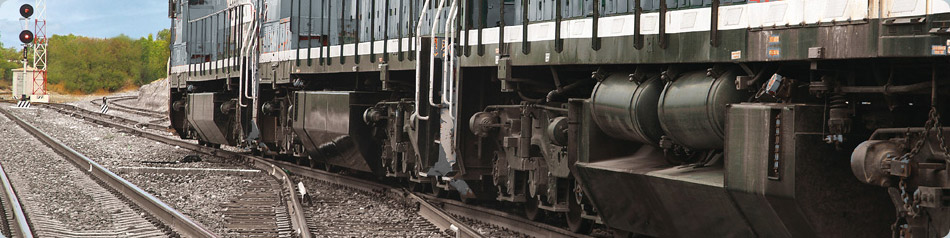
Eight Texas-listed selections span port access, track rehabilitation, yard capacity, planning and locomotive modernization.
Eight Texas-listed projects in the federal CRISI selections total $105,966,530, or approximately $105.97 million. The detailed list sharpens the rounded $105.5 million figure in early reporting and forms part of the national announcement made October 19.
The total is not entirely spending on Texas construction sites. It includes Rio Valley Switching’s program across Texas, Arizona and New Mexico, as well as equipment modernization and a planning study. Treating the sum as a single Texas civil-construction pipeline would overstate what the selections establish.
Project at a Glance
- Texas-listed selections:
- $105,966,530
- National program:
- Approximately $2.3 billion
- Important boundary:
- Includes a three-state Rio Valley program
- Status:
- Funding selections, not contractor awards
The largest physical infrastructure programs
Texas Pacifico’s corridor work carries a selection of up to $35.24 million. The Port of Texas City access and rail project follows at $30.24 million. Both concern the movement of freight through existing infrastructure, but their scopes differ: one emphasizes corridor rehabilitation and sidings, the other port access and yard operations.
Other selections cover Rio Valley’s multistate network, the Palestine depot area, Hondo’s industrial rail connections and Border Pacific’s Rio Grande Valley track. Separate articles explain those programs without presenting them as newly awarded construction contracts.
Not every grant buys the same kind of work
The Texas Gonzales Northern Rail selection concerns locomotive modernization. McKinney’s $875,000 selection supports planning for a freight-siding relocation. Those activities belong in the infrastructure picture, but neither should be described as an immediate track-building award.
This mix is why the headline total needs a scope boundary. Federal support can fund a project’s path toward construction, physical works or equipment, and the selected recipient is not necessarily the company that will perform installation.
The next layer of information is delivery
The detailed selections establish the projects and funding ceilings. Public construction schedules and contractors remain unconfirmed for most of the listed schemes. The next useful updates will be procurement notices, confirmed delivery appointments and project-specific start dates.
For industrial and logistics businesses, the program matters because it addresses freight access and operational constraints. The timing of those benefits will depend on each project’s implementation rather than the date of the national funding announcement.