
Midland County Proposes $299M Water Infrastructure Programme
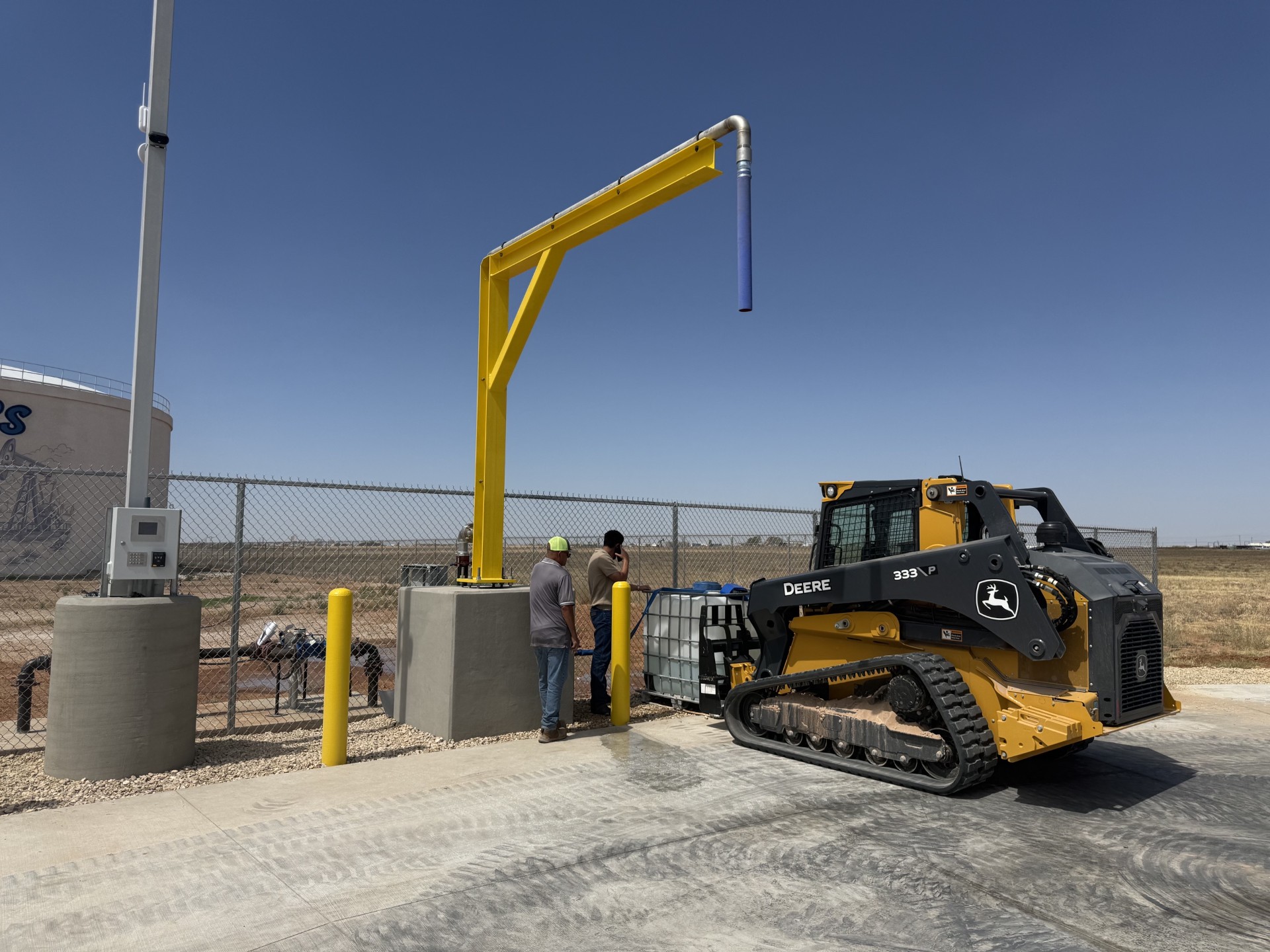
A three-phase plan would expand treatment, storage and pipeline infrastructure, with almost $279.4 million in estimated construction costs ahead of the November 3 bond vote.
Midland County Utility District is putting a $299.015 million infrastructure programme before voters on November 3, with plans to expand water treatment, add storage and strengthen the pipelines that supply homes, schools and businesses. The proposal could establish a substantial pipeline of water-sector construction in West Texas if funding is authorized.
The official election order separates approximately $279.362 million in estimated construction costs from $19.653 million in non-construction costs, including bond issuance costs, a bond discount and regulatory fees. That breakdown gives a clearer picture of the programme than the headline bond amount alone.
The district is the project owner. This is a district bond proposition, rather than an award by Midland County of a single $299 million construction contract. No programme-wide construction contractor has been identified.
Project at a Glance
- Project owner:
- Midland County Utility District
- Proposed bond programme:
- $299.015 million
- Estimated construction costs:
- $279.362 million
- Non-construction costs:
- $19.653 million
- Delivery:
- Three phases
- Bond election:
- November 3, 2026
Phase one: supply, storage and the Greenwood network
The district’s capital plan assigns $97.815 million to the first phase. Its listed components include an FM 307 transmission main and loop, a Greenwood elevated-storage transmission main, a 500,000-gallon elevated tank and an expansion of the Dr. Viney Water Treatment Plant.
The first phase also contains a $35 million allowance for a potential Park Water system conversion. The district says a letter of intent covers exploration of an interconnection and a possible acquisition, with due diligence still underway. That allowance does not mean an acquisition has been agreed or completed.
Later phases add pumping, distribution and treatment capacity
Phase two totals $42.625 million in the district’s capital summary. It includes a south booster pump station, a transmission main associated with the chromium-plume area and additional distribution lines.
The third phase is the largest, at $158.575 million. It includes a further treatment-plant expansion and distribution-network investment. The phase totals include allowances and financing-related costs; they are broader than the construction-only figures in the election order.
The different assets would serve different functions. A treatment expansion increases the ability to process water, storage supports supply management, and transmission and distribution works move that supply to customers. Delivering one component does not remove the need to coordinate the others.
What the bond vote would authorize
The election order permits the proposed bonds to be issued in one or more series, rather than requiring the entire amount to be borrowed at once. Repayment would be supported by a district property-tax levy. The ballot identifies the measure as a tax increase.
The order also states that project estimates are subject to amendment and do not form a contract with voters. For construction readers, that means the election establishes potential financing authority: it does not lock every package, procurement date or final construction price into place.
The listed construction estimates are approximately $91.225 million for phase one, $39.759 million for phase two and $148.379 million for phase three. These are the construction-cost lines in the election order, distinct from the broader phase amounts in the district’s public capital summary.
A programme to track package by package
The mix of treatment works, storage, mains and pumping infrastructure makes this relevant to civil, pipeline, concrete, electrical and mechanical firms. The next useful information will be the design status and procurement approach for each component, rather than an assumption that the entire programme is available for bidding now.
Potential work must still be matched to actual solicitations. A tank package, a pipeline corridor and a treatment-plant expansion can have different engineering requirements, site constraints and sequencing needs. No individual trade award or open tender is confirmed in the reviewed material.
The immediate milestone is the November 3 result. After that, financing decisions, updated engineering documents and published procurement notices would show which parts of the programme are moving toward construction and when.